Baby Food Chart by Age: When Can Babies Start Eating Vegetables, Eggs, Idli & Other Solid Foods?
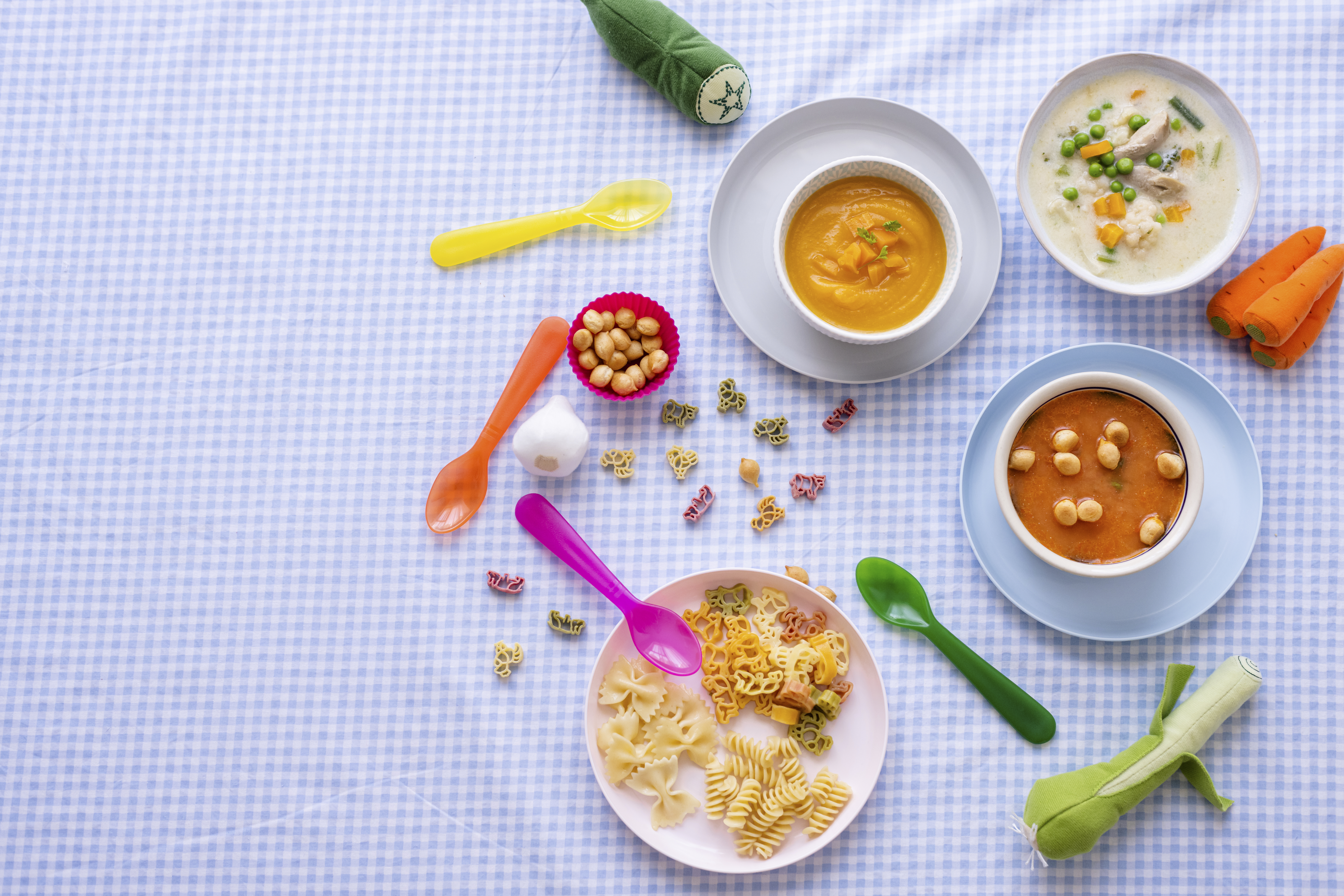
One of the biggest milestones during your baby's first year is introducing solid foods. While many parents are excited to offer new tastes and textures, they often have questions like "When can my baby eat vegetables?", "Is idli safe for a 6-month-old?", or "Can I give eggs before one year?" Introducing foods at the right age is essential for healthy growth, proper nutrition, and reducing the risk of choking. Every baby develops at a different pace, so following age-appropriate feeding guidelines and consulting a pediatrician can help ensure a safe transition from milk to solid foods. At Olir Super Speciality Hospital, a trusted Pediatric Hospital in Chennai, our pediatric specialists guide parents through every stage of infant nutrition, helping families make informed feeding choices during the crucial first year of life.
When Should Babies Start Solid Foods?
The World Health Organization (WHO) recommends exclusive breastfeeding for the first six months whenever possible. Around 6 months, babies generally begin to require additional nutrients, making it the right time to introduce complementary foods while continuing breastfeeding or formula feeding. Signs that your baby may be ready for solids include:
- Good head and neck control
- Ability to sit with support
- Interest in food
- Ability to swallow food instead of pushing it out with the tongue
Baby Food Timeline by Age
Note: Every child is different. Your pediatrician may recommend a different timeline depending on your baby's growth, development, allergies, or medical conditions.
- Boiled Vegetables, After 6 months: Steam or boil thoroughly and mash into a smooth puree.
- Idli, After 6 months: Soften with breast milk, formula, or warm water before feeding.
- Soup, 7–8 months: Offer thick vegetable or lentil soups rather than watery soups.
- Egg, Around 7 months: Serve a fully cooked egg. Avoid raw or half-cooked eggs.
- Chicken, After 1 year: Cook thoroughly, shred or mash into very small pieces.
- Chapati, Avoid in early infancy: Soft wheat porridge is generally easier to digest than chapati for young infants.
Vegetables (After 6 Months)
Vegetables are among the first foods many babies try because they provide essential vitamins, minerals, and fiber. Choose vegetables such as carrot, pumpkin, sweet potato, bottle gourd, and potato. Always boil or steam vegetables until they are soft, then mash or blend them into a smooth consistency. Avoid giving raw vegetables or large pieces, as they can pose a choking risk.
Can Babies Eat Idli?
Yes. Contrary to common myths, soft idli can usually be introduced after six months as part of complementary feeding. Idli is soft, easy to digest, light on the stomach, and suitable when mashed well. Before feeding, soften the idli with breast milk, formula, or warm water to make swallowing easier.
When Can Babies Eat Soup?
From around 7–8 months, babies can gradually transition to thicker soups made from vegetables or lentils. Avoid adding salt, sugar, artificial flavoring, or spicy seasonings. Soups should complement, not replace, balanced solid meals.
When Can Babies Eat Eggs?
Eggs are a rich source of protein, healthy fats, and important nutrients for brain development. Most babies can begin eating fully cooked eggs around 7 months, unless your pediatrician advises otherwise. Always cook eggs thoroughly, introduce one new food at a time, and watch for signs of an allergic reaction. Avoid serving raw or half-cooked eggs to infants.
Can Babies Eat Chicken?
Chicken can be introduced after your baby is ready for more textured foods, often around 1 year of age, depending on your pediatrician's guidance. It should always be thoroughly cooked, soft, shredded or finely mashed, and free from bones and skin. Never give large or hard pieces that may increase the risk of choking.
Should Babies Eat Chapati?
Young babies may find chapati difficult to chew and swallow because of its texture. Instead, many pediatricians recommend softer wheat-based preparations, such as well-cooked wheat porridge, until the child develops stronger chewing skills.
Important Safety Tips for Parents
- Never add salt, sugar, or strong spices before your baby turns one year unless advised by your pediatrician.
- Introduce only one new food every 3–5 days so you can monitor for allergies or digestive issues.
- Always supervise your baby during feeding.
- Mash or puree foods appropriately to reduce the risk of choking.
- Continue breastfeeding or formula feeding alongside complementary foods during the first year.
Conclusion
Introducing solid foods is an exciting milestone, but choosing the right food at the right time is essential for your baby's healthy growth and development. Following age-appropriate feeding recommendations and preparing foods safely can help your child develop healthy eating habits while reducing the risk of nutritional deficiencies and choking. If you have questions about your baby's nutrition or feeding milestones, consult the pediatric specialists at the best hospital in Chennai, a trusted Pediatric Hospital in Chennai. Our team provides personalized guidance to help parents confidently navigate every stage of infant nutrition.
Frequently Asked Questions
Find answers to common questions about our services, treatments, appointments, and patient care options to help you make informed health decisions.
Most babies are ready to start complementary foods at around 6 months of age, while continuing breastfeeding or formula feeding.
Yes. Soft, well-mashed idli can usually be introduced after six months as part of complementary feeding.
Fully cooked eggs can often be introduced around 7 months, unless your pediatrician recommends otherwise.
No. It is generally recommended to avoid adding salt, sugar, or strong spices during the first year of life unless specifically advised by your pediatrician.
The pediatric specialists at Olir Super Speciality Hospital, Velachery, Chennai, provide expert advice on infant feeding, nutrition, growth monitoring, and child health to support your baby's healthy development.
Related Articles

Top 5 Cardiology Treatments at Chennai's Best Super Speciality Hospitals in 2026
Chennai has earned a strong reputation as a medical capital of India, especially in cardiac sciences...

Best Neurology Hospitals in Chennai: Stroke Care and Neurosurgery Guide
Chennai has emerged as one of India’s most trusted destinations for neurological care. A leading neu...
Joint Replacement Surgery: Why Choose Chennai Super Speciality Orthopedics
Chennai has become a top destination for advanced orthopedic care in India. A leading orthopedics ho...
Need Expert Medical Care in Velachery?
Book Your Appointment with Our Specialists Today
Get expert consultation, accurate diagnosis, and the right treatment, all under one roof at OLIR Super Speciality Hospital.
Book Appointment