Hyperlaxity Syndrome: Does It Increase Joint Dislocation Risk?
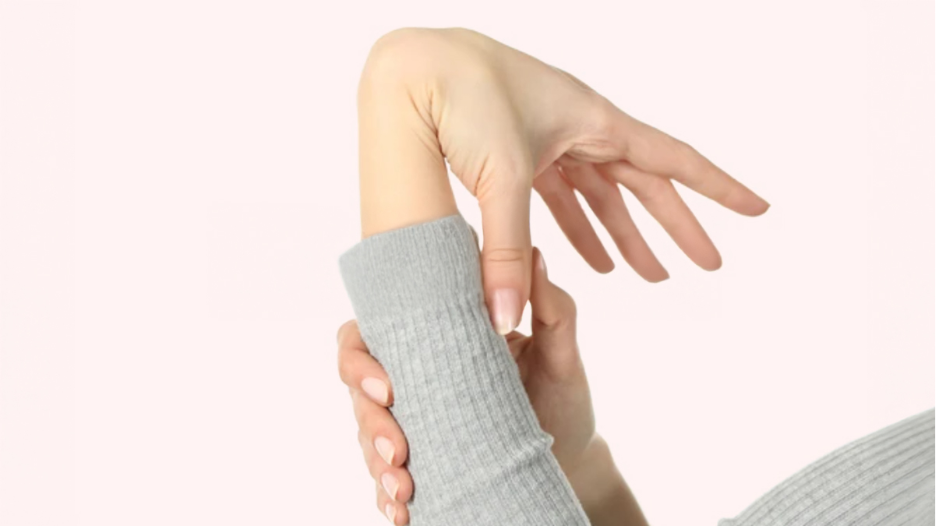
Medical Disclaimer: The information in this article is for educational purposes only and should not be substituted for professional medical advice, diagnosis, or treatment. Always consult an orthopedic specialist for personalized medical guidance. Hyperlaxity syndrome, also known as joint hypermobility, is a systemic or localized condition where the body's ligaments are significantly more elastic than average, allowing joints to move smoothly beyond their expected normal range. While having highly flexible joints is often seen as a remarkable physical trait or a distinct advantage in gymnastics and dance, it can carry hidden orthopedic vulnerabilities. Without proper muscular support, hyperlaxity can significantly increase the risk of chronic joint instability, persistent pain, and recurrent dislocations.
What is Hyperlaxity Syndrome?
Hyperlaxity syndrome is a musculoskeletal condition characterized by an exceptional, non-destructive increase in the range of motion across multiple joints. While a typical, stable joint is securely restricted by a tight network of structural connective tissues, individuals with hyperlaxity possess naturally loose ligaments. This generalized laxity dramatically changes how everyday physical forces are transferred across the skeleton, often demanding far more stabilization work from the surrounding muscles.
What Causes Hyperlaxity?
The core mechanism behind hyperlaxity syndrome is rooted deep within the structural protein matrix of the body's connective tissues, specifically, collagen. Collagen functions as the fundamental structural element that provides tensile strength and rigid stability to our ligaments, joint capsules, tendons, and skin. When a genetic variation modifies the structural blueprint or production of collagen fibers, the tissues become excessively stretchable. Instead of behaving like firm, supportive ropes that lock bones safely into their correct pathways, the ligaments function more like highly elastic rubber bands. Because it is tied to inherited collagen properties, hyperlaxity frequently runs in families and is present from birth.
Signs and Symptoms
Identifying hypermobility involves tracking several specific physical signs across different areas of the skeletal framework. Common signs and symptoms include:
- Extreme Finger and Wrist Flexibility: Highly pliable hands, with fingers that easily bend backward past standard extension limits.
- Hyperextension of the Extremities: Knees or elbows that conspicuously bow backward past a perfectly straight line when standing up or extending fully.
- Remarkable Spinal Bending: The ease to flex entirely forward from the waist and place the palms flat on the floor without needing to bend the knees.
- Frequent Sprains: A distinct pattern of recurring soft-tissue strains, micro-tears, or clicking joints during standard, low-impact daily activities.
Does Hyperlaxity Cause Joint Dislocation?
Yes, hyperlaxity directly raises the risk of joint dislocation. Because loose ligaments cannot provide a firm, rigid barrier to contain a joint's motion, sudden or high-impact twisting forces can easily cause bones to track incorrectly and slip entirely out of their sockets. A frequent and problematic presentation of this instability is a patellar dislocation (where the kneecap slides completely out of its natural groove). When a hypermobile joint experiences a severe dislocation, it rarely happens without impacting the surrounding tissues. The sudden, violent displacement of a bone typically inflicts a secondary injury, such as a ligament tear (frequently damaging the Medial Patellofemoral Ligament in the knee). This shows how untreated hyperlaxity can create a cascading cycle of joint damage.
Structural Differences at a Glance
Comparing a hypermobile joint with a normal joint highlights why hyperlaxity carries added risk:
- Ligament Status: Hyperlaxity Syndrome, loose ligaments; Normal Joint, tight ligaments.
- Range of Motion: Hyperlaxity Syndrome, high flexibility; Normal Joint, normal flexibility.
- Stability Level: Hyperlaxity Syndrome, higher dislocation risk; Normal Joint, lower dislocation risk.
- Injury Pattern: Hyperlaxity Syndrome, frequent sprains & subluxations; Normal Joint, highly stable joints.
Who is at Risk?
While flexibility varies from person to person, certain distinct demographic groups experience a much higher prevalence of hyperlaxity syndrome:
- Children and Adolescents: Joint hypermobility is highly prevalent in early youth, affecting roughly 10–20% of children, as young skeletal structures are inherently more pliable.
- Biological Sex: Females are statistically more likely to present with joint hypermobility than males, driven largely by hormonal influences and specific structural collagen variations.
- Athletes in Flexibility Sports: Gymnasts, dancers, and swimmers frequently have underlying hyperlaxity, which can lead to severe injuries if they do not deliberately build muscle strength to match their range of motion.
For many individuals, this pronounced tissue elasticity naturally decreases as they cross late adolescence, around 16 or 17 years of age, due to the body's natural collagen maturation and stiffening. However, if a joint has already experienced a major dislocation or ligament tear, the underlying structural vulnerability will persist into adulthood unless proactively managed.
Orthopedic Treatment Options
Addressing the vulnerabilities of hypermobile joints requires a comprehensive, multi-phase clinical approach combining conservative management and state-of-the-art procedures.
- Minimally Invasive Arthroscopy: If an acute joint dislocation causes a complete ligament tear, surgical intervention is frequently required to restore joint mechanics. Olir Super Speciality Hospital features advanced, stainless steel modular operation theatres with positive pressure systems for ultimate infection control. Our surgeons utilize keyhole Arthroscopy, a highly sophisticated, minimally invasive surgical approach. By inserting a high-definition miniature camera and specialized micro-instruments through tiny incisions, torn ligaments are reconstructed with minimal disruption to the surrounding tissues, paving the way for a faster, safer recovery.
- Targeted Physiotherapy and Rehabilitation: Because you cannot alter your genetic collagen structure to tighten loose ligaments, the long-term solution lies in building a robust, dynamic "muscular brace." At our specialized Physiotherapy & Rehabilitation Department, customized exercise regimens focus entirely on strengthening the major muscle groups directly surrounding vulnerable joints. For instance, targeted training of the quadriceps helps perfectly stabilize the patella, compensating beautifully for loose ligaments and holding the skeleton securely in place.
What Makes Olir the Best Orthopedics Hospital in Chennai?
When dealing with chronic conditions like hyperlaxity, seeking care at an established, world-class center is critical. Chennai is globally recognized as a premier medical hub, hosting elite institutes equipped with computer-navigated surgical systems, advanced imaging, and specialized sports medicine divisions. OLIR Super Speciality Hospital stands out by offering a comprehensive, doctor-led musculoskeletal ecosystem in Chennai:
- Eminent Leadership: Our orthopedic wing is spearheaded by senior directors like Dr. F. Fakhruddin (23+ years of surgical experience, alumnus of Madras Medical College) and Dr. Naga Praven (13+ years of experience in keyhole arthroscopy and trauma).
- Advanced Diagnostics: In-house high-resolution imaging to precisely assess soft-tissue laxity and map hidden ligament damage under one roof.
- Infection-Controlled Infrastructure: State-of-the-art modular operation theatres utilizing positive pressure systems to maintain maximum sterility during joint reconstructions.
- 24/7 Emergency & Level-1 Trauma Support: Round-the-clock critical care teams ready to immediately manage acute joint dislocations, fractures, and severe sports injuries.
Premier Orthopedic Care in Velachery
Conveniently located in Rajalakshmi Nagar, Olir Super Speciality Hospital stands out as a highly trusted, premier orthopedics hospital in Velachery. Residents of South Chennai do not need to travel across the city to receive elite joint care; our modern infrastructure, expert surgeons, and comprehensive physical rehabilitation units deliver complete bone and joint care right in your neighborhood.
Conclusion
Hyperlaxity syndrome is far more than an impressive display of flexibility, it is a distinct physiological profile that requires careful, proactive care to prevent joint instability and recurring dislocations. Leaving hypermobile joints unconditioned can eventually lead to progressive ligament tears and accelerated joint wear and tear. The key to long-term mobility is combining early diagnosis with a dedicated muscle-strengthening routine. If you or your child experiences frequent joint popping, chronic pain, or exceptional joint flexibility, consult our expert team today. Schedule a thorough clinical evaluation at our premier Orthopedics Department, or visit our specialized sports injury and pediatric care experts at the best hospital in Chennai to build a safer, stronger, and completely pain-free future.
Consult Our Specialists


Frequently Asked Questions
Find answers to common questions about our services, treatments, appointments, and patient care options to help you make informed health decisions.
Yes. Because loose ligaments lack the baseline tension required to keep the kneecap aligned, sudden twisting motions, pivoting, or minor athletic impacts can easily pull the patella out of its tracking groove, causing a sudden dislocation.
The extreme, natural tissue elasticity typically peaks in childhood and begins to decrease around 16 to 17 years of age as collagen fibers naturally stiffen. However, if the surrounding muscles are not deliberately trained, the structural instability and elevated dislocation risk can remain a lifelong issue.
Yes. Hypermobility is heavily linked to inherited genetic traits that dictate how the body synthesizes structural proteins like collagen. If a parent has highly flexible joints or a history of frequent sprains, their children stand a much higher chance of inheriting loose ligaments.
Absolutely. Targeted, low-impact exercise is the primary conservative treatment. While stretching exercises should generally be limited, structured resistance training, core stabilization, and physiotherapy build a muscular shield that takes over the stabilizing role of loose ligaments.
No. Surgery is typically reserved for severe structural complications, such as when a major dislocation causes a complete ligament tear, or when a patient suffers from recurrent dislocations that fail to improve with focused physical rehabilitation.
Related Articles
Top 5 Cardiology Treatments at Chennai's Best Super Speciality Hospitals in 2026
Chennai has earned a strong reputation as a medical capital of India, especially in cardiac sciences...

Best Neurology Hospitals in Chennai: Stroke Care and Neurosurgery Guide
Chennai has emerged as one of India’s most trusted destinations for neurological care. A leading neu...
Joint Replacement Surgery: Why Choose Chennai Super Speciality Orthopedics
Chennai has become a top destination for advanced orthopedic care in India. A leading orthopedics ho...
Need Expert Medical Care in Velachery?
Book Your Appointment with Our Specialists Today
Get expert consultation, accurate diagnosis, and the right treatment, all under one roof at OLIR Super Speciality Hospital.
Book Appointment