Can Apartment Living Cause Bowed Legs? What Every Parent Should Know
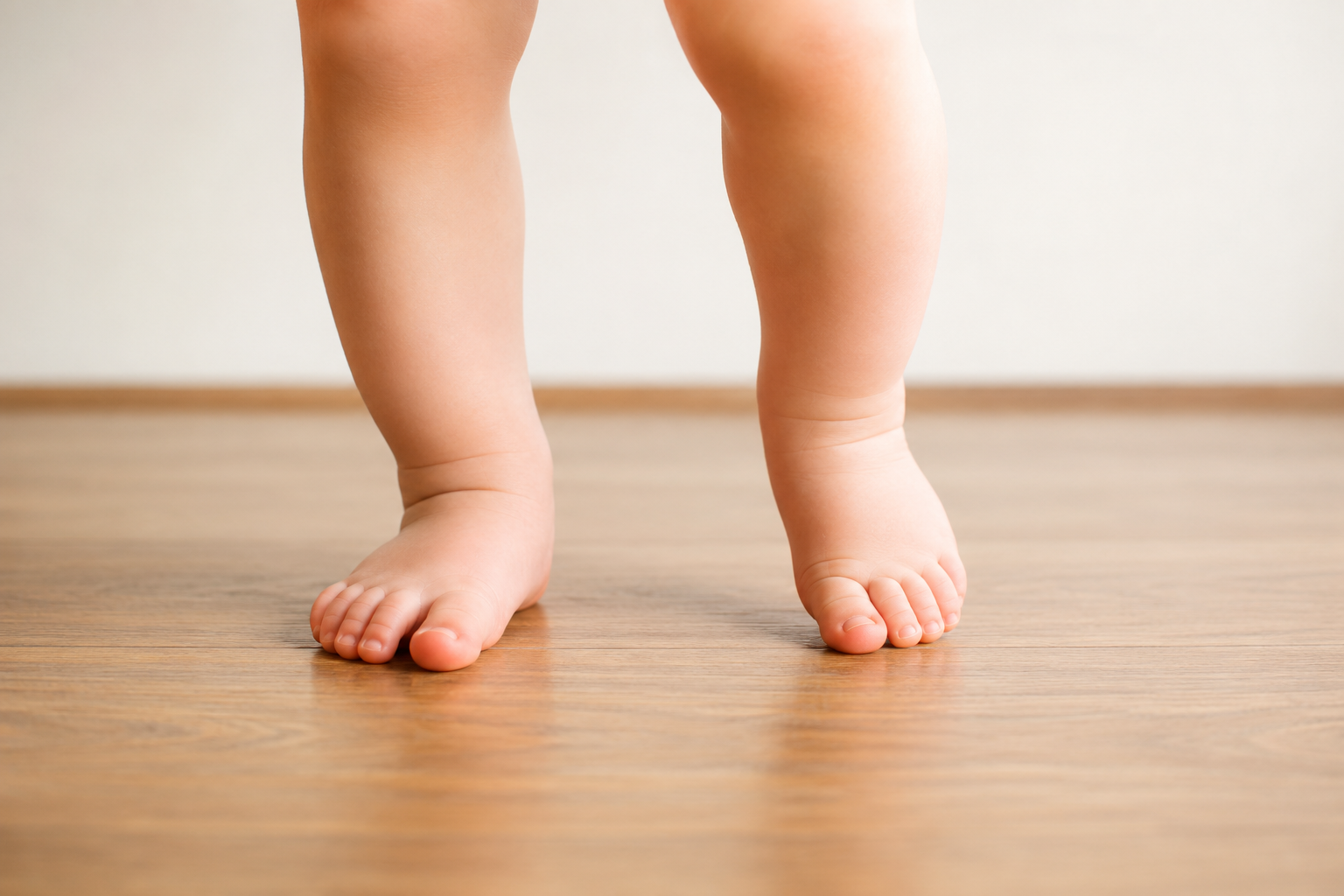
Watching your child take their first steps is one of the happiest moments for any parent. However, many parents become concerned when they notice their toddler's legs curving outward while walking. This often raises questions such as, "Is this normal?", "Can apartment living cause bowed legs?", or "Does my child need treatment?" With urban families increasingly living in apartments, children often spend less time outdoors than previous generations. While apartment living itself is not harmful, reduced exposure to natural sunlight can affect Vitamin D production, an essential nutrient for healthy bone development. In severe cases, Vitamin D deficiency may contribute to rickets, a condition that can weaken growing bones and lead to bowed legs. At Olir Super Speciality Hospital, recognized by many families as a trusted orthopaedic hospital in Chennai, our experienced orthopaedic specialists evaluate children with bowed legs, identify the underlying cause, and recommend personalized treatment to support healthy growth and mobility. This guide explains the connection between apartment living, Vitamin D deficiency, bowed legs, and when parents should seek medical advice.
What Is "Apartment Syndrome"?
The term "Apartment Syndrome" is not an official medical diagnosis. Instead, it is a lifestyle-related term used to describe health concerns that may develop when children spend most of their time indoors with limited exposure to sunlight and outdoor activities. Modern apartment living offers convenience and safety, but it can also unintentionally reduce opportunities for children to:
- Play outdoors regularly
- Receive natural sunlight
- Develop stronger muscles through physical activity
- Produce adequate Vitamin D naturally
Although living in an apartment alone does not cause bone deformities, lifestyle habits associated with prolonged indoor living may increase the risk of nutritional deficiencies that affect bone health.
Does Apartment Living Really Cause Bowed Legs?
The answer is no. Apartment living itself does not cause bowed legs. However, if a child rarely spends time outdoors, receives minimal sunlight, and has inadequate Vitamin D intake, they may develop Vitamin D deficiency. Over time, severe deficiency can affect calcium absorption and bone mineralization, increasing the risk of rickets. Rickets causes bones to become soft during growth. When toddlers begin standing and walking, the weight placed on weakened bones may contribute to outward bending of the legs. It is also important to understand that not all bowed legs are caused by rickets. Some children naturally have mild bowing during infancy that gradually corrects itself as they grow. Persistent or worsening bowing should always be evaluated by a pediatric orthopaedic specialist.
Why Is Vitamin D Essential for Healthy Bone Growth?
Vitamin D plays a critical role in helping the body absorb calcium and phosphorus, two minerals necessary for building strong bones and teeth. Children obtain Vitamin D through:
- Sunlight exposure
- Vitamin D-rich foods
- Fortified foods
- Supplements (when prescribed)
When Vitamin D levels remain low for a prolonged period, calcium absorption decreases, bones become softer, bone growth slows, skeletal deformities may develop, and the risk of rickets increases. For growing children, maintaining adequate Vitamin D levels is essential for healthy skeletal development.
How Does Vitamin D Deficiency Lead to Bowed Legs?
Vitamin D deficiency affects the body's ability to absorb calcium efficiently. Without enough calcium, growing bones become weaker and less mineralized. As toddlers begin walking, typically between 12 and 18 months, their body weight places pressure on the developing leg bones. If those bones are weakened by rickets, they may gradually bend outward, resulting in the characteristic appearance of bowed legs. This condition develops gradually and is often accompanied by other signs such as delayed growth, muscle weakness, or delayed motor milestones.
Understanding Rickets
Rickets is a childhood bone disorder that occurs when growing bones become soft due to inadequate mineralization. The most common cause is Vitamin D deficiency, although calcium deficiency and certain medical conditions may also contribute. Children with rickets may experience:
- Bowed legs
- Delayed walking
- Bone pain
- Poor growth
- Muscle weakness
- Delayed tooth eruption
- Widened wrists and ankles
- Increased risk of fractures
Fortunately, with early diagnosis and appropriate treatment, rickets is often manageable, and many children recover with healthy bone development.
Normal Bowed Legs vs. Bowed Legs That Need Medical Attention
Many parents panic when they notice their toddler's legs curving outward. However, it's important to understand that not all bowed legs indicate a medical problem. During the first two years of life, mild bowing of the legs is often a normal part of growth. As children begin walking and their bones continue to develop, the legs usually straighten naturally. The concern arises when the bowing:
- Continues beyond the age of two years
- Appears severe or progressively worsens
- Affects only one leg
- Causes pain or difficulty walking
- Is associated with delayed growth or developmental milestones
Normal Bowed Legs vs. Bowed Legs Due to Rickets
This comparison helps parents understand when observation is appropriate and when medical attention is necessary.
- Cause: Normal bowed legs are common in infants and toddlers; bowed legs due to rickets are caused by weakened bones from Vitamin D deficiency.
- Progression: Normal bowed legs usually improve naturally; rickets-related bowing may worsen without treatment.
- Growth: Children with normal bowed legs grow normally; those with rickets may have delayed growth and walking.
- Pain: Normal bowed legs usually cause no pain; rickets may cause bone pain or muscle weakness.
- Management: Normal bowed legs usually require only observation; rickets requires medical evaluation and treatment.
- Outcome: Normal bowed legs gradually straighten; rickets-related bowing persists if untreated.
Symptoms Parents Should Never Ignore
Although bowed legs can be a normal developmental stage, certain symptoms should prompt a consultation with a pediatric orthopaedic specialist. Watch for:
- Legs becoming increasingly curved after two years of age
- Uneven bowing between both legs
- Difficulty standing or walking
- Frequent falls
- Bone pain
- Delayed walking
- Slow physical growth
- Muscle weakness
- Swollen wrists or ankles
- Frequent fractures
- Delayed tooth eruption
What Causes Bowed Legs Besides Vitamin D Deficiency?
Many parents assume Vitamin D deficiency is the only cause of bowed legs. In reality, several conditions can contribute to abnormal leg alignment.
- Physiological Bowing: A normal developmental stage seen in infants that usually resolves naturally.
- Rickets: A condition caused by Vitamin D deficiency, calcium deficiency, or certain metabolic disorders that weakens growing bones.
- Blount's Disease: A growth disorder affecting the upper part of the shin bone, leading to progressive bowing.
- Bone Injuries: Previous fractures involving the growth plate may alter normal bone growth.
- Genetic Bone Disorders: Rare inherited conditions can affect skeletal development.
How Do Orthopaedic Specialists Diagnose Bowed Legs?
Diagnosing bowed legs involves more than simply looking at the child's leg alignment. Orthopaedic specialists evaluate several factors to identify the underlying cause. Medical History: age when bowing was first noticed, walking milestones, nutrition, sunlight exposure, family history, previous illnesses, and growth pattern. Physical Examination: leg alignment, walking pattern, knee position, hip movement, foot alignment, and growth measurements. Blood Tests: if rickets is suspected, blood investigations may include Vitamin D levels, calcium, phosphorus, and alkaline phosphatase. X-rays: provide valuable information about bone growth, growth plates, bone density, degree of leg deformity, and signs of rickets or Blount's disease.
Treatment for Bowed Legs
Treatment depends entirely on the underlying cause. Not every child requires surgery or braces.
- Observation: Children with normal physiological bowing are usually monitored through regular follow-up visits until the legs naturally straighten.
- Vitamin D and Calcium Therapy: If Vitamin D deficiency or rickets is diagnosed, treatment may include Vitamin D supplementation, calcium supplementation, nutritional counselling, and regular monitoring. Supplements should always be taken under medical supervision.
- Safe Sunlight Exposure: Encouraging regular outdoor play allows children to produce Vitamin D naturally, balanced with appropriate sun safety measures.
- Orthopaedic Bracing: Certain children may benefit from specialized braces designed to support proper leg alignment while the bones continue developing.
- Surgery: Reserved for children with severe deformities, progressive bowing, Blount's disease, growth plate abnormalities, or cases that do not improve with conservative treatment.
Can Bowed Legs Be Prevented?
While not every cause of bowed legs is preventable, parents can significantly reduce the risk of nutritional bone disorders by encouraging healthy habits.
- Daily outdoor play
- A balanced diet rich in calcium
- Vitamin D-rich foods
- Routine pediatric check-ups
- Early treatment of nutritional deficiencies
- Seeking medical advice if leg alignment appears abnormal
Expert Orthopaedic Care at Olir Super Speciality Hospital
Children with persistent bowed legs benefit from early assessment by experienced orthopaedic specialists. At Olir Super Speciality Hospital, a trusted orthopaedic hospital in Chennai, our orthopaedic team provides comprehensive evaluation and treatment for childhood bone and joint conditions using evidence-based medical care. Dr. F. Fakhruddin, With over 20 years of experience in orthopaedics, Dr. F. Fakhruddin specializes in joint replacement, trauma care, sports injuries, arthroscopy, and the management of complex bone and joint conditions. Dr. Naga Praven, With more than 16 years of clinical experience, Dr. Naga Praven specializes in trauma management, spine orthopaedics, sports medicine, arthroscopy, joint replacement, and pediatric orthopaedic care.
Why Choose Olir Super Speciality Hospital for Orthopaedic Care?
Families choose Olir Super Speciality Hospital because we provide:
- Experienced orthopaedic surgeons
- Comprehensive pediatric orthopaedic evaluation
- Advanced diagnostic imaging
- Trauma and fracture management
- Joint replacement expertise
- Sports injury treatment
- Personalized treatment plans
- Convenient location in Velachery, Chennai
Conclusion
If you've noticed persistent bowed legs, delayed walking, or other signs of bone development concerns in your child, don't wait for the condition to worsen. Consult the experienced orthopaedic specialists at the best hospital in Chennai, a trusted orthopaedic hospital in Chennai. Our team provides comprehensive evaluation, advanced diagnostics, and personalized treatment plans to support your child's healthy growth and mobility. Fill out our appointment form today, and our team will contact you to schedule a consultation with one of our orthopaedic specialists.
Consult Our Specialists


Frequently Asked Questions
Find answers to common questions about our services, treatments, appointments, and patient care options to help you make informed health decisions.
Apartment living itself does not cause bowed legs. However, children who spend most of their time indoors may receive less sunlight, increasing the risk of Vitamin D deficiency. In severe cases, this can lead to rickets, which may contribute to bowed legs.
Yes. Mild bowed legs are common in infants and toddlers under two years of age and often improve naturally as they grow. If the bowing persists, worsens, or is associated with pain or difficulty walking, consult an orthopaedic specialist.
Bowed legs can result from normal growth, Vitamin D deficiency, rickets, Blount's disease, previous bone injuries, or certain genetic and metabolic conditions. A medical evaluation helps determine the exact cause.
Diagnosis may include a physical examination, blood tests to check Vitamin D and calcium levels, and X-rays if needed. Treatment depends on the cause and may include observation, nutritional supplements, bracing, or surgery in severe cases.
If your child has persistent bowed legs or symptoms of a bone disorder, consult the experienced orthopaedic specialists at Olir Super Speciality Hospital, Velachery, Chennai. Our team provides comprehensive evaluation and personalized treatment to support healthy bone development.
Related Articles

Top 5 Cardiology Treatments at Chennai's Best Super Speciality Hospitals in 2026
Chennai has earned a strong reputation as a medical capital of India, especially in cardiac sciences...

Best Neurology Hospitals in Chennai: Stroke Care and Neurosurgery Guide
Chennai has emerged as one of India’s most trusted destinations for neurological care. A leading neu...
Joint Replacement Surgery: Why Choose Chennai Super Speciality Orthopedics
Chennai has become a top destination for advanced orthopedic care in India. A leading orthopedics ho...
Need Expert Medical Care in Velachery?
Book Your Appointment with Our Specialists Today
Get expert consultation, accurate diagnosis, and the right treatment, all under one roof at OLIR Super Speciality Hospital.
Book Appointment