Brain Tumor Surgery: Complete Resection, Recurrence Risk and Advanced Neurosurgical Care
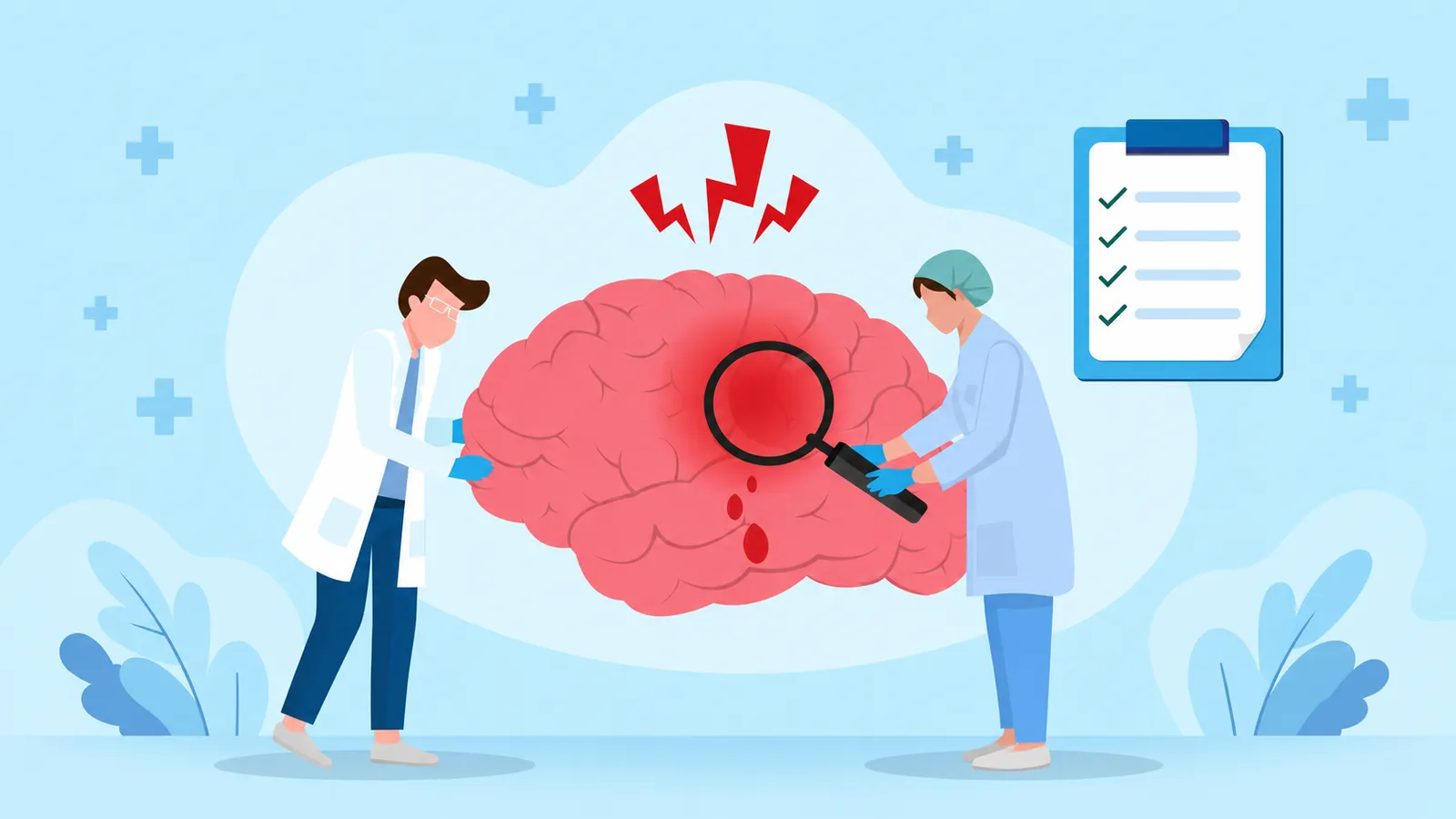
Brain tumor surgery is one of the most complex areas of neurosurgery. The objective is not simply to remove as much of the visible tumor as possible, but to achieve the maximum safe tumor resection while protecting critical brain functions. For patients and families looking for brain tumor treatment in Chennai, understanding how neurosurgeons balance tumor removal with neurological safety can help them make informed decisions about treatment. The appropriate surgical approach depends on the type, size, location and biological behaviour of the brain tumor, as well as its relationship with important areas of the brain.
What Is Brain Tumor Resection?
Brain tumor resection is a surgical procedure in which a neurosurgeon removes some or all of a brain tumor. The extent of removal can vary depending on the tumor and its location. The surgical goals may include:
- Removing as much tumor as safely possible
- Relieving pressure on surrounding brain tissue
- Obtaining tissue for an accurate diagnosis
- Reducing neurological symptoms caused by the tumor
- Supporting subsequent treatment when required
- Reducing the amount of remaining tumor when complete removal is not safely possible
Why Is Complete Tumor Removal Challenging?
Brain tumors can occur close to areas responsible for important functions such as:
- Speech
- Movement
- Vision
- Memory
- Sensation
- Coordination
- Other higher brain functions
Debulking vs. Complete Resection
Debulking means removing a portion of a tumor to reduce its size or pressure while leaving some tumor behind. In selected cases, surgeons may aim for a more extensive resection. However, the extent of safe removal is different for every patient. A tumor located in a relatively accessible area may allow more extensive resection than a tumor that is closely associated with critical functional brain tissue. Therefore, complete resection is not appropriate or achievable for every brain tumor.
What Is Microseeding in Brain Tumors?
Some brain tumors can have microscopic tumor cells extending beyond the main visible mass. These microscopic areas may not be clearly visible during surgery or on standard imaging. This can make complete removal challenging in certain tumors. The possibility of microscopic tumor cells is one reason why the tumor type, pathology and imaging findings are important when determining the most appropriate treatment strategy. Surgery may also be combined with other treatments, such as radiation therapy or systemic therapy, depending on the tumor diagnosis.
What Is Supra-Optimal Resection?
Supra-optimal resection refers to removing tumor tissue beyond the conventionally visible tumor boundary in selected circumstances, when this can be performed safely. The concept may be considered for particular tumors and locations where the surrounding tissue can be safely resected without causing unacceptable neurological damage. For example, some tumors involving accessible areas of the frontal or temporal lobes may allow a more extensive surgical approach. However, supra-optimal resection is not suitable for every brain tumor. The decision depends on factors such as:
- Tumor location
- Tumor type and grade
- Relationship to critical brain structures
- Functional mapping
- Imaging findings
- Patient's neurological condition
- Overall treatment plan
Can Complete Brain Tumor Resection Prevent Recurrence?
The possibility of recurrence depends on many factors and cannot be eliminated simply by removing a visible tumor. Recurrence risk can depend on:
- Tumor type
- Tumor grade
- Molecular characteristics
- Location
- Extent of resection
- Microscopic tumor involvement
- Response to additional treatment
How Do Neurosurgeons Plan Brain Tumor Surgery?
Before surgery, the neurosurgical team may use imaging and other assessments to understand the tumor and plan the safest surgical approach. Depending on the case, evaluation may include:
MRI of the Brain
MRI provides detailed information about the tumor's location, size and relationship with surrounding brain structures.
Functional Brain Assessment
When a tumor is located near areas responsible for important functions, additional functional evaluation or mapping may be considered.
Tumor and Pathology Assessment
The suspected tumor type and its biological characteristics can influence the surgical strategy and the need for additional treatment.
Multidisciplinary Treatment Planning
Brain tumor patients may require coordinated care involving:
- Neurosurgeons
- Neurologists
- Radiologists
- Pathologists
- Radiation oncology specialists
- Medical oncology specialists
- Rehabilitation professionals
What Are the Goals of Brain Tumor Surgery?
Depending on the individual case, brain tumor surgery may aim to:
- Remove as much tumor as safely possible.
- Relieve pressure on the brain.
- Obtain tissue for pathological diagnosis.
- Reduce tumor burden.
- Improve symptoms caused by the tumor.
- Support further treatment when required.
- Preserve neurological function.
Why Is Maximum Safe Resection Important?
The fundamental principle of modern neurosurgery is to balance tumor control with preservation of neurological function. Removing additional tumor tissue is beneficial only when it can be achieved without causing unacceptable damage to critical brain structures. Therefore, a successful brain tumor operation should not be measured only by how much tissue was removed. It should also consider:
- Neurological function
- Quality of life
- Tumor biology
- Long-term disease control
- Need for additional treatment
- Individual patient circumstances
Brain Tumor Treatment in Chennai
Patients looking for brain tumor treatment in Chennai should seek evaluation from an experienced neurosurgeon and a multidisciplinary medical team. At OLIR Super Speciality Hospital, Velachery, Chennai, the neurosurgery and neurology services can evaluate patients with neurological conditions and determine the appropriate diagnostic and treatment pathway. If you or a family member has been diagnosed with a brain tumor, the treatment plan should be based on the tumor's type, location, grade, molecular characteristics and relationship with critical brain structures. A neurosurgical consultation can help patients understand whether surgery, observation, radiation therapy, systemic treatment or a combination of approaches may be appropriate.
Conclusion
Brain tumor surgery requires a careful balance between tumor removal and preservation of brain function. While extensive resection may provide important benefits in appropriately selected patients, complete removal is not always possible or safe. The ideal surgical approach depends on the tumor's type, location, biological characteristics and relationship with critical brain structures. Modern neurosurgery in Chennai focuses on achieving the maximum safe resection while protecting neurological function and supporting long-term patient outcomes. Patients diagnosed with a brain tumor should discuss the expected benefits, risks, extent of resection and possible additional treatments with their neurosurgical team. If you are looking for brain tumor treatment or neurosurgical care in Velachery, Chennai, consult an experienced neurosurgeon for an individualized evaluation and treatment plan at OLIR Super Speciality Hospital. Want to learn more about brain tumor surgery? Watch our related Instagram Reel from OLIR Super Speciality Hospital to learn more about brain tumor treatment and modern neurosurgical approaches. brain tumor
Consult Our Specialists

Dr. T. E. Sathish Kumar
MBBS, MS (General Surgery), MCh (Neurosurgery)
Co-Founder & Senior Neurosurgeon, Olir Super Speciality Hospital
OLIR Super Speciality Hospital, Chennai
Dr. B. Chendilnathan
MBBS, MCh (Neurosurgery), FRCS
Senior Neurosurgeon in Chennai
OLIR Super Speciality Hospital, Chennai
Frequently Asked Questions
Find answers to common questions about our services, treatments, appointments, and patient care options to help you make informed health decisions.
The goal is generally to remove as much tumor as can be safely removed, obtain tissue for diagnosis when required, relieve pressure and support the patient's overall treatment plan while protecting neurological function.
No. Complete removal may not be possible or safe when a tumor is closely associated with critical areas of the brain. In such cases, the neurosurgeon may recommend maximum safe resection or another treatment approach.
Maximum safe resection means removing as much tumor as possible while minimizing the risk of significant neurological damage.
Supra-optimal resection refers to extending tumor removal beyond the conventionally visible tumor boundary in carefully selected cases where the surrounding tissue can be safely removed. It is not appropriate for every brain tumor.
Yes. Recurrence depends on the tumor type, grade, molecular characteristics, location, extent of resection and other factors. Some patients may require additional treatment and long-term imaging follow-up.
Not necessarily. The priority is maximum safe resection. Removing additional tissue that contains or is close to critical functional brain structures could cause serious neurological problems. The appropriate extent of surgery must therefore be individualized.
If imaging has identified a brain tumor or a neurologist or physician has recommended neurosurgical evaluation, consultation with a neurosurgeon can help determine the diagnosis and appropriate treatment options.
Related Articles
Best Neurology Hospitals in Chennai: Stroke Care and Neurosurgery Guide
Chennai has emerged as one of India’s most trusted destinations for neurological care. A leading neu...
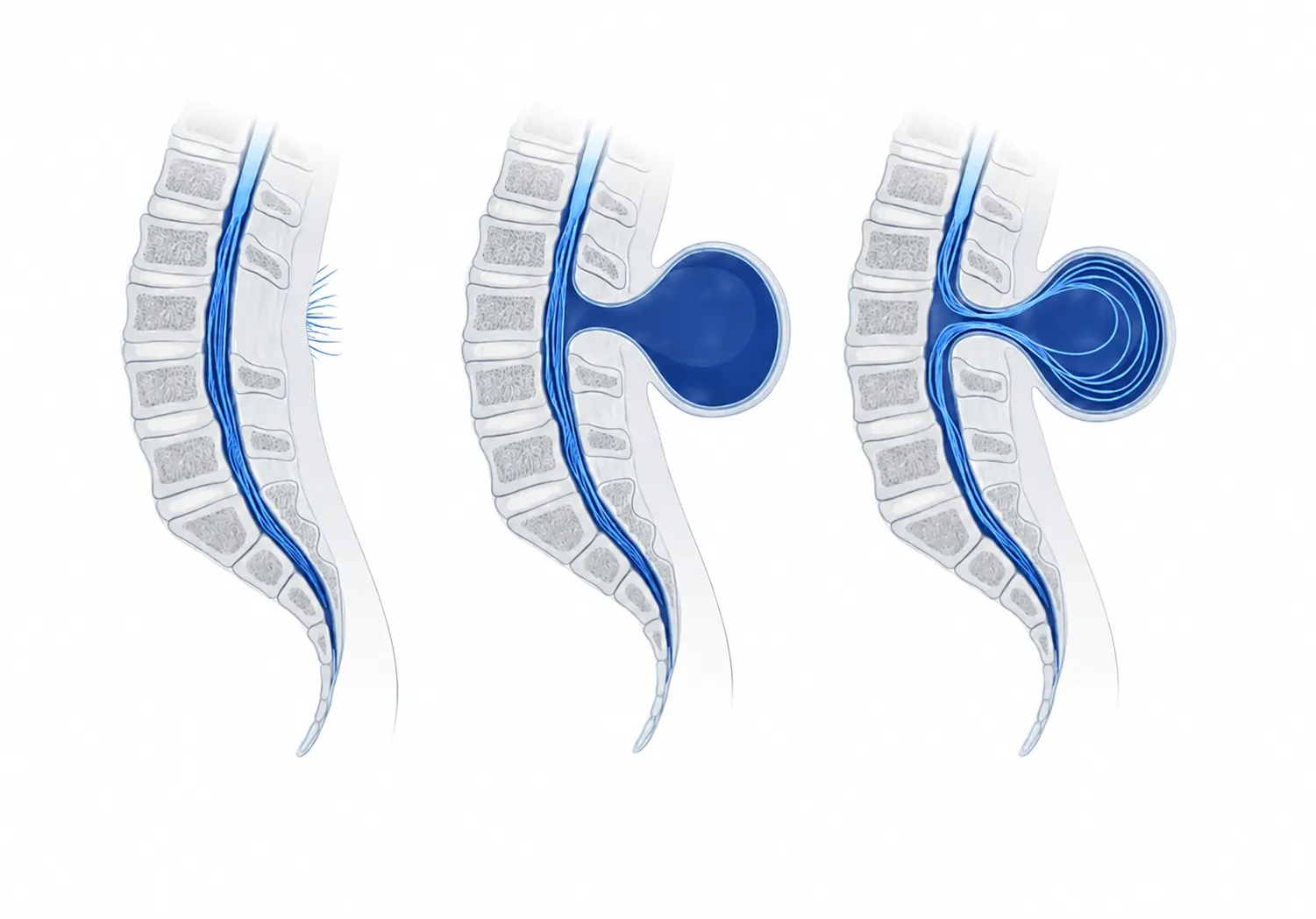
Tethered Cord Syndrome in Children: Early Signs, Diagnosis & Treatment | OLIR Super Speciality Hospital, Chennai
When parents notice their child struggling to walk, showing unusual weakness in the legs, or missing...
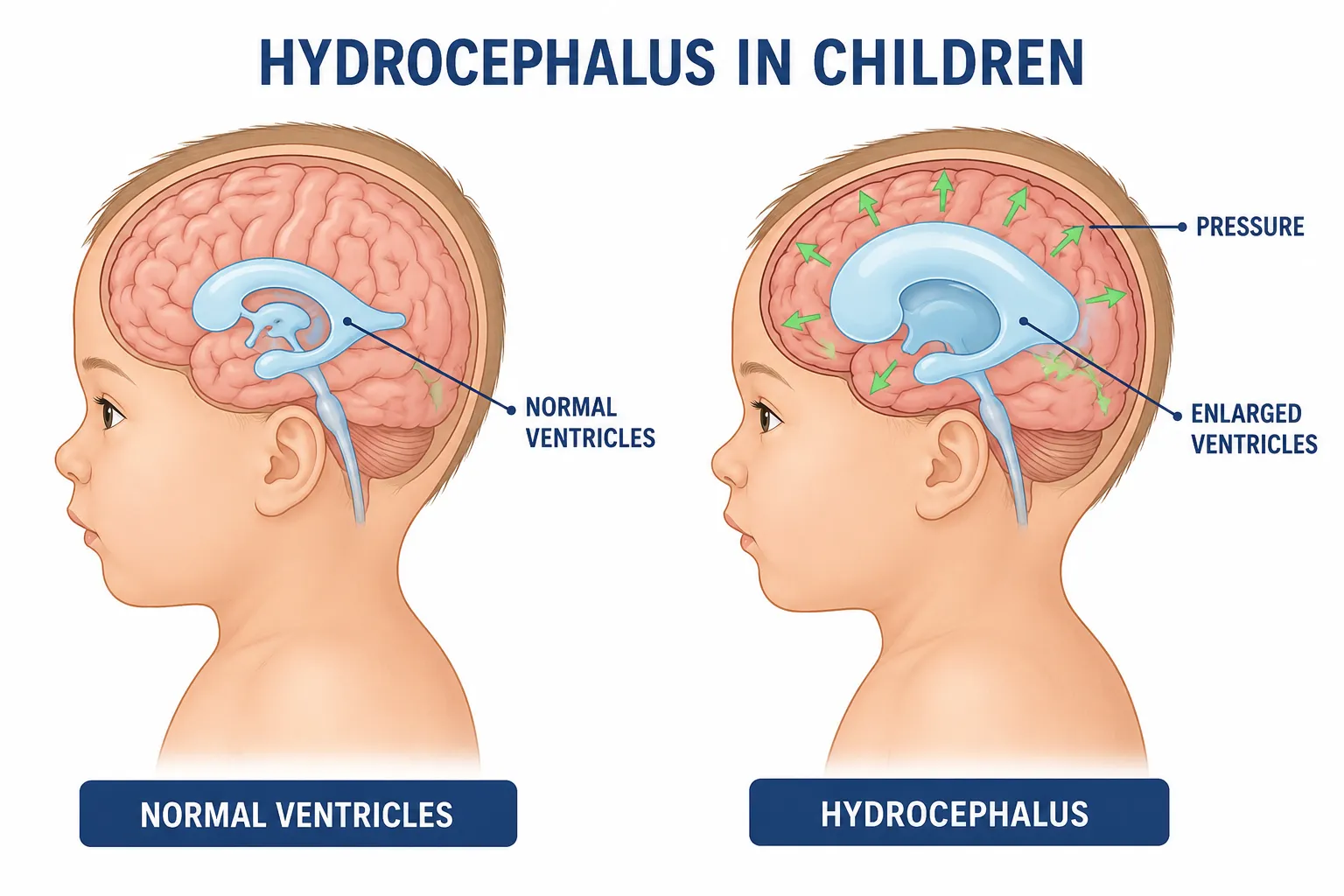
Hydrocephalus in Children: Warning Signs, Diagnosis & Treatment | OLIR Super Speciality Hospital, Chennai
Is your child's head size increasing rapidly? It's not something to ignore. If you notice your baby'...
Need Expert Medical Care in Velachery?
Book Your Appointment with Our Specialists Today
Get expert consultation, accurate diagnosis, and the right treatment, all under one roof at OLIR Super Speciality Hospital.
Book Appointment