Tethered Cord Syndrome in Children: Early Signs, Diagnosis & Treatment | OLIR Super Speciality Hospital, Chennai
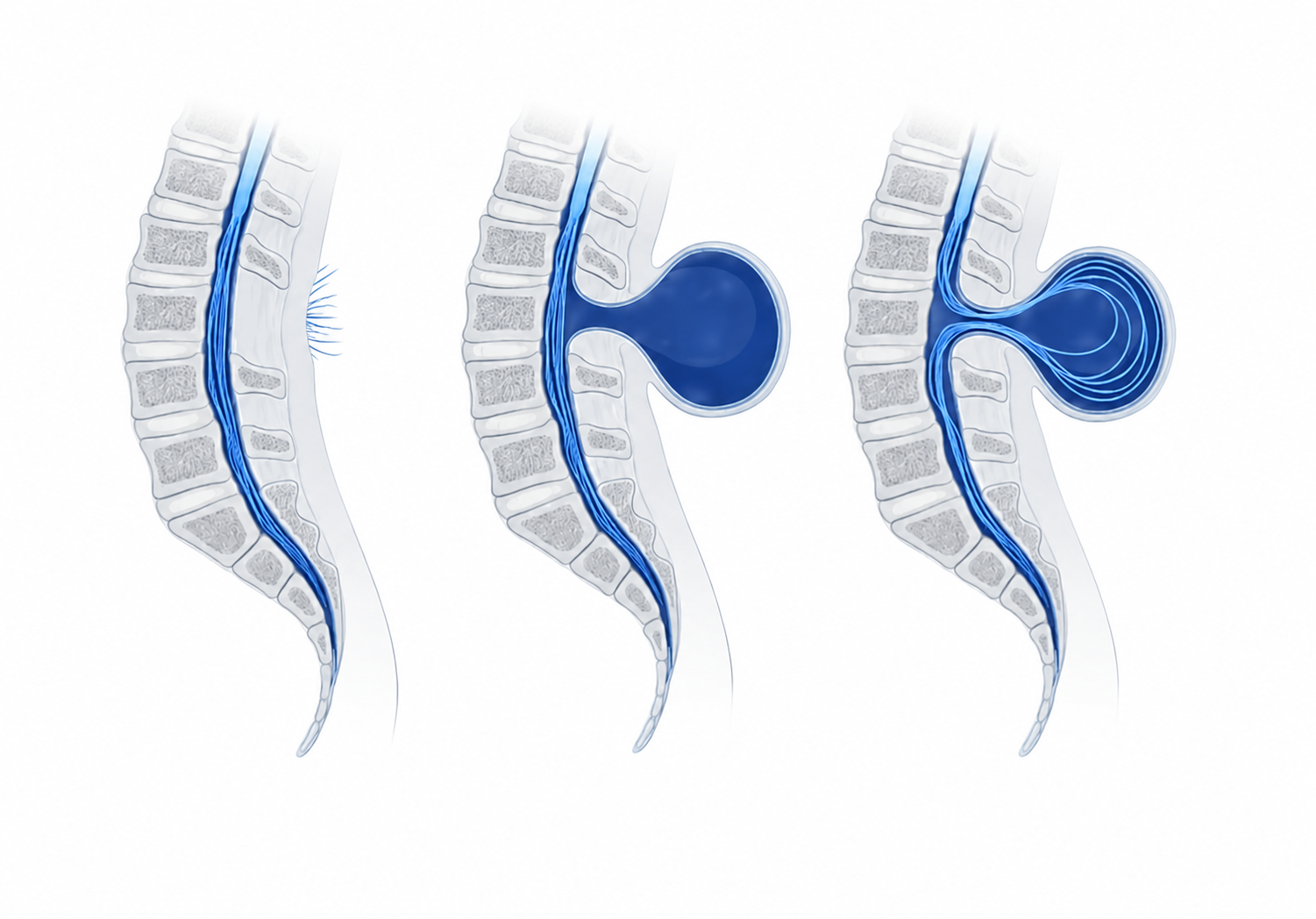
When parents notice their child struggling to walk, showing unusual weakness in the legs, or missing developmental milestones, the cause isn't always obvious. One condition that often goes unnoticed until it's advanced is tethered cord syndrome a spinal condition that needs timely attention from a specialist team at a multi-disciplinary hospital in Chennai. At OLIR Super Speciality Hospital, our pediatric spine and neurosurgery team, led by Dr. T. E. Sathish Kumar, Senior Neurosurgeon, regularly evaluates children presenting with subtle but progressive nerve-related symptoms linked to this condition.
What Is Tethered Cord Syndrome?
Tethered cord syndrome is a condition in which the spinal cord becomes abnormally attached to surrounding tissue inside the spinal canal. Normally, the spinal cord moves and stretches freely as a child grows. When it's tethered, this movement is restricted, and the cord gets pulled and stretched with growth leading to progressive nerve damage over time. Because the condition worsens gradually, many parents mistake the early signs for normal developmental delays, which is why getting it evaluated at a specialized hospital in Chennai with pediatric neurosurgery expertise is so important.
Early Signs Parents Should Watch For
Tethered cord syndrome doesn't always present with dramatic symptoms early on. The signs are often subtle and easy to dismiss which is exactly why awareness matters. Watch for:
- Back swelling or skin changes over the lower spine, such as a dimple, birthmark, or an unusual patch of hair
- Weakness in the legs, especially if it seems to be getting worse rather than staying the same
- Difficulty walking or delayed milestones, such as a child taking longer than expected to crawl, stand, or walk
- Foot deformities, including changes in foot shape or alignment
- Bladder or bowel control issues, including delayed toilet training or unexplained accidents in an older child
Why Early Diagnosis Matters
The nerve damage caused by a tethered spinal cord is progressive meaning it tends to get worse the longer it goes untreated. Early diagnosis allows specialists to intervene before symptoms become severe or permanent. This is one of the most important messages our team at OLIR Super Speciality Hospital shares with parents: don't wait for symptoms to worsen. A timely consultation with a pediatric neurosurgeon can make the difference between a full recovery and long-term nerve impairment.
Treatment: Surgical Release of the Tethered Cord
The standard and most effective treatment for tethered cord syndrome is surgical release of the tethered cord a procedure where the neurosurgeon carefully detaches the spinal cord from the abnormal tissue holding it in place, restoring its ability to move freely within the spinal canal. When performed early:
- It can prevent further nerve damage
- It often improves existing symptoms, including leg strength and bladder control
- It significantly improves long-term outcomes for the child's mobility and quality of life
Why Choose OLIR Super Speciality Hospital, Chennai
OLIR Super Speciality Hospital is home to an experienced pediatric neurosurgery and spine care team equipped to diagnose and manage complex conditions like tethered cord syndrome. As a leading hospital in Chennai for neurosurgical care, we offer:
- Expert evaluation by Dr. T. E. Sathish Kumar, Senior Neurosurgeon, with extensive experience in pediatric spine conditions
- Advanced imaging and diagnostic support for accurate, early detection
- Specialized surgical care focused on preserving long-term nerve function
- A multidisciplinary approach involving neurosurgery, pediatrics, and rehabilitation
When Should You See a Neurosurgeon?
If your child has any combination of back skin changes, leg weakness, walking difficulties, foot deformities, or bladder/bowel issues, consult a pediatric neurosurgeon promptly. Early evaluation at a specialized hospital in Chennai can help confirm the diagnosis through imaging and guide the right treatment path before symptoms progress.
Disclaimer
This blog is for informational purposes only and is not a substitute for professional medical advice. Please consult a qualified neurosurgeon for diagnosis and treatment.
Conclusion
Tethered cord syndrome is a serious but treatable condition when caught early. If you notice any of the warning signs described above in your child, do not delay seek evaluation at a trusted hospital in Chennai with dedicated pediatric neurosurgery expertise. Early intervention at the best hospital in Chennai can protect your child's nerve function and quality of life for years to come. Learn more about our comprehensive Neurosciences department and pediatric neurosurgery expertise.

Frequently Asked Questions
Find answers to common questions about our services, treatments, appointments, and patient care options to help you make informed health decisions.
Tethered cord syndrome is usually caused by congenital abnormalities where the spinal cord becomes abnormally attached to surrounding tissue, restricting its free movement as the child grows.
It can be diagnosed at any age, but many cases are identified in early childhood when symptoms like walking difficulties, foot deformities, or bladder issues become apparent during growth spurts.
Yes, surgical release performed by an experienced pediatric neurosurgeon is considered safe and effective. When done early, it can prevent further nerve damage and often improves existing symptoms significantly.
In some cases, re-tethering can occur, especially during growth phases. Regular follow-up with a neurosurgeon is important to monitor for any recurrence and intervene promptly if needed.
MRI of the spine is the gold-standard imaging tool for diagnosing tethered cord syndrome. It provides detailed visualization of the spinal cord, its attachments, and any associated abnormalities.
Related Articles

Top 5 Cardiology Treatments at Chennai's Best Super Speciality Hospitals in 2026
Chennai has earned a strong reputation as a medical capital of India, especially in cardiac sciences...

Best Neurology Hospitals in Chennai: Stroke Care and Neurosurgery Guide
Chennai has emerged as one of India’s most trusted destinations for neurological care. A leading neu...
Joint Replacement Surgery: Why Choose Chennai Super Speciality Orthopedics
Chennai has become a top destination for advanced orthopedic care in India. A leading orthopedics ho...
Need Expert Medical Care in Velachery?
Book Your Appointment with Our Specialists Today
Get expert consultation, accurate diagnosis, and the right treatment, all under one roof at OLIR Super Speciality Hospital.
Book Appointment