Why Brain Surgery Doesn't Hurt: Understanding Awake Craniotomy
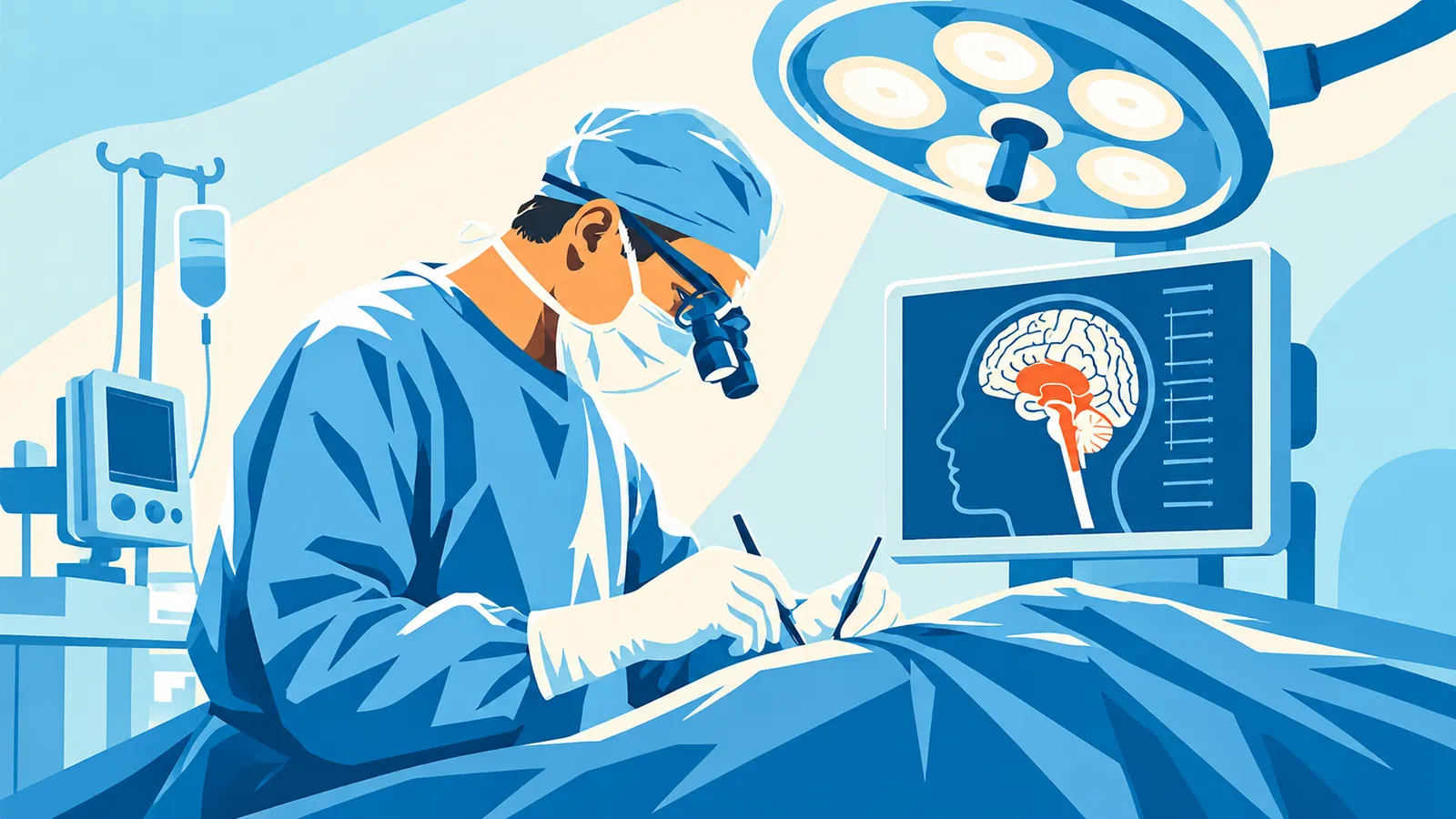
The idea of brain surgery can be frightening, and one of the most common questions patients ask is: "Will brain surgery hurt?" The answer may be surprising. In certain neurosurgical procedures, patients can be awake and communicate with the surgical team while the operation is being performed. This is possible because the brain tissue itself does not contain pain receptors. One such specialized procedure is an awake craniotomy, which may be considered for selected brain tumors and other neurological conditions when the tumor or abnormality is located close to areas responsible for important functions such as speech, language or movement. For patients looking for neurosurgery in Velachery, Chennai, understanding how awake brain surgery works can help reduce anxiety and provide a clearer picture of what to expect.
Does the Brain Feel Pain?
The brain itself does not have the pain-sensing receptors found in many other parts of the body. However, this does not mean that brain surgery is completely painless or that anesthesia is unnecessary. Pain-sensitive structures include the:
- Scalp
- Skin
- Muscles and tissues around the skull
- Periosteum covering the skull
- Some structures surrounding the brain
What Is an Awake Craniotomy?
During brain surgery, the neurosurgical and anesthesia teams carefully manage these areas using appropriate anesthesia and pain-control techniques. Once the surgeon is operating on the brain tissue itself, the brain does not directly register pain in the same way that the skin or other organs do. An awake craniotomy is a specialized neurosurgical procedure in which a patient is awake and able to communicate with the surgical team during part of the operation. The technique may be considered when a brain tumor or other lesion is located close to important functional areas of the brain. The main purpose is to allow the surgical team to identify and preserve critical brain functions while removing as much of the abnormal tissue as safely possible. It is not appropriate for every patient or every type of brain surgery.
How Does Awake Brain Surgery Work?
The procedure generally involves several carefully planned stages.
1. Preparing and Numbing the Scalp
The scalp is treated with local anesthetic to reduce pain from the surgical incision and other pain-sensitive tissues. The anesthesia team may also provide sedation to keep the patient comfortable during appropriate stages of the procedure.
2. Opening the Skull
The neurosurgeon carefully creates access to the brain through the skull. The patient does not feel pain from manipulation of the brain tissue itself, but the surgical team continues to monitor comfort and vital signs throughout the procedure.
3. Waking the Patient
For selected awake craniotomy procedures, the patient is brought to an appropriate level of alertness during the critical part of the surgery. The patient may be able to:
- Talk
- Count
- Name objects
- Answer questions
- Read
- Perform specific movements
4. Mapping Important Brain Functions
The exact tasks depend on the location of the tumor and the brain functions being evaluated. One of the major advantages of an awake craniotomy is that the surgical team can monitor certain neurological functions while operating. Depending on the location of the lesion, the team may assess:
- Speech
- Language
- Movement
- Sensory responses
- Other relevant neurological functions
5. Removing the Tumor or Abnormal Tissue
This can help the neurosurgeon identify functional areas that should be protected. Once the functional areas have been identified, the neurosurgeon works toward removing the tumor or abnormal tissue while preserving important neurological functions. The extent of resection depends on the tumor's location, type, relationship with functional brain tissue and the patient's individual circumstances.
Why Are Patients Kept Awake During Brain Surgery?
The goal is not simply to keep the patient awake. Awake surgery can provide the surgical team with real-time information about how certain brain functions are responding during the procedure. For example, if a tumor is located near areas involved in speech, the patient may be asked to speak or perform language tasks. If the tumor is near an area controlling movement, the surgical team may monitor specific movements. This information can help the neurosurgeon distinguish between tissue that can potentially be removed and critical functional areas that should be preserved.
Is Awake Craniotomy Painful?
Patients may experience sensations during different stages of surgery, but the brain tissue itself does not sense pain. The scalp and other pain-sensitive structures are managed using local anesthesia and appropriate anesthesia techniques. Patients may experience sensations such as:
- Pressure
- Movement
- Touch
- Vibration
- Awareness of the surgical environment
Why Is Awake Craniotomy Used for Brain Tumors?
The anesthesia and neurosurgical teams continuously monitor the patient and manage comfort throughout the procedure. The experience is different for every patient, and your neurosurgical team should explain what you may experience before surgery. An awake craniotomy may be considered when a tumor is located close to important functional regions of the brain. The procedure can allow the surgical team to assess neurological function during tumor removal. This is particularly relevant when a tumor is close to areas associated with:
- Speech
- Language
- Movement
- Other important neurological functions
What Are the Benefits of Awake Brain Surgery?
The objective is to achieve the maximum safe removal of the tumor while minimizing the risk of neurological damage. Awake craniotomy is therefore a specialized technique, not a standard procedure for every brain tumor. When appropriately selected, awake craniotomy can provide several potential advantages.
Real-Time Functional Monitoring
The surgical team can assess specific neurological functions while operating.
Better Identification of Critical Brain Areas
Functional mapping can help identify areas that need to be preserved.
Support for Maximum Safe Tumor Resection
In selected cases, real-time functional information can help the neurosurgeon work toward removing as much tumor as safely possible.
Individualized Surgical Planning
The approach can be adapted to the patient's tumor location, neurological functions and overall clinical situation.
Is Awake Craniotomy Safe?
Like any brain surgery, an awake craniotomy carries potential risks. The risks depend on factors such as:
- Tumor location
- Tumor type
- Patient's overall health
- Surgical approach
- Relationship between the tumor and functional brain areas
Who May Need Awake Brain Surgery?
Possible complications can include neurological deficits, seizures, infection, bleeding and other complications associated with brain surgery. The neurosurgical team evaluates the potential benefits and risks before recommending the procedure. Awake craniotomy may be considered for selected patients with:
- Brain tumors near speech or language areas
- Brain tumors close to motor areas
- Lesions located near other important functional regions
- Certain other neurological conditions requiring functional mapping
Brain Tumor Surgery and Neurosurgery in Chennai
Not every patient with a brain tumor needs an awake craniotomy. The decision is made after evaluating brain imaging, tumor location, neurological function and the overall treatment plan. If you or a family member has been diagnosed with a brain tumor, choosing the appropriate neurosurgical treatment in Chennai requires an individualized assessment. At OLIR Super Speciality Hospital, Velachery, Chennai, patients can seek evaluation for neurological and neurosurgical conditions. The Neurology & Neurosurgery Department can assess the patient's symptoms, imaging and diagnosis and determine whether surgery or another treatment approach may be appropriate. For selected brain tumors located close to critical functional areas, the neurosurgical team may consider specialized techniques such as functional mapping or awake craniotomy when clinically appropriate.
Conclusion
An awake craniotomy may sound frightening, but it is a carefully planned neurosurgical technique designed to help protect important brain functions while treating selected brain tumors and neurological conditions. Because the brain tissue itself does not contain pain receptors, patients can sometimes communicate with the surgical team during the critical stages of the operation while appropriate anesthesia is used to manage pain from surrounding tissues. The decision to perform awake brain surgery depends on the location of the tumor, its relationship with functional brain areas, the patient's health and the overall treatment strategy. The goal remains maximum safe treatment while preserving neurological function. If you are looking for brain tumor treatment or neurosurgery in Velachery, Chennai, consult a qualified neurosurgeon for an individualized evaluation at OLIR Super Speciality Hospital. Want to understand more about awake brain surgery? Watch our related Instagram Reel from OLIR Super Speciality Hospital to see a simple explanation of how patients can remain awake and communicate during selected brain surgeries. Awake Craniotomy
Consult Our Specialists

Dr. T. E. Sathish Kumar
MBBS, MS (General Surgery), MCh (Neurosurgery)
Co-Founder & Senior Neurosurgeon, Olir Super Speciality Hospital
OLIR Super Speciality Hospital, Chennai
Dr. B. Chendilnathan
MBBS, MCh (Neurosurgery), FRCS
Senior Neurosurgeon in Chennai
OLIR Super Speciality Hospital, Chennai
Frequently Asked Questions
Find answers to common questions about our services, treatments, appointments, and patient care options to help you make informed health decisions.
The brain tissue itself does not contain pain receptors, but other structures involved in brain surgery can feel pain. Appropriate local anesthesia, sedation and pain-management techniques are therefore used to keep patients comfortable.
In an awake craniotomy, the patient is awake and able to communicate during a specific part of the procedure. Other stages may involve sedation or anesthesia depending on the surgical plan.
Being awake allows the surgical team to assess certain neurological functions in real time while operating near important areas of the brain.
Yes. Depending on the surgical plan, patients may be asked to talk, count, name objects, read or perform other tasks during functional mapping.
No. It is a specialized technique used only when appropriate for the patient's tumor location, neurological anatomy and overall treatment plan.
Awake craniotomy can be performed safely in appropriately selected patients by a trained multidisciplinary team, but like all brain surgery, it carries potential risks. Your neurosurgeon can explain the individual risks and benefits.
The duration varies considerably depending on the tumor, surgical approach, functional mapping requirements and individual patient factors. Your neurosurgical team can provide an estimated duration based on your specific case.
Related Articles
Best Neurology Hospitals in Chennai: Stroke Care and Neurosurgery Guide
Chennai has emerged as one of India’s most trusted destinations for neurological care. A leading neu...
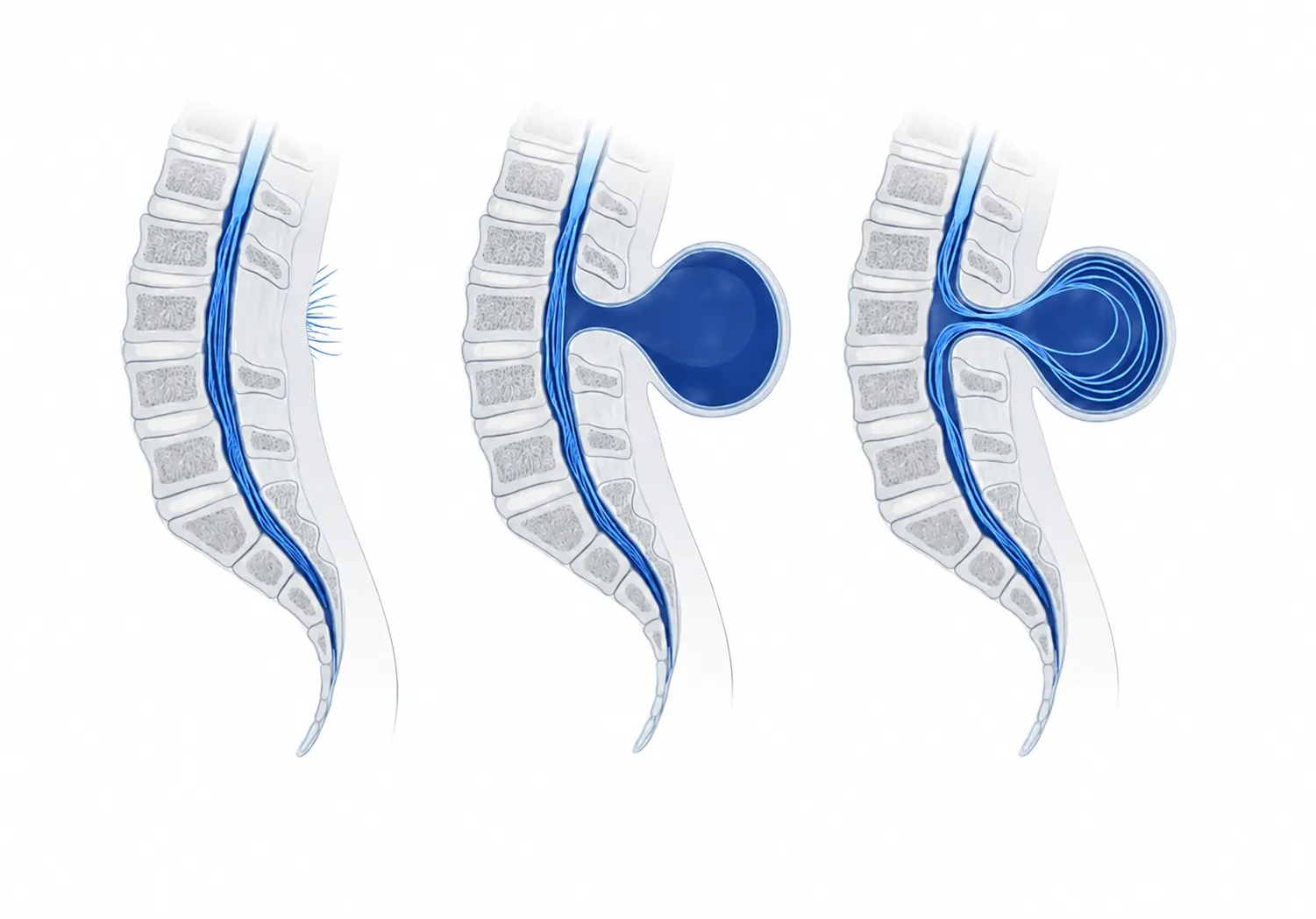
Tethered Cord Syndrome in Children: Early Signs, Diagnosis & Treatment | OLIR Super Speciality Hospital, Chennai
When parents notice their child struggling to walk, showing unusual weakness in the legs, or missing...
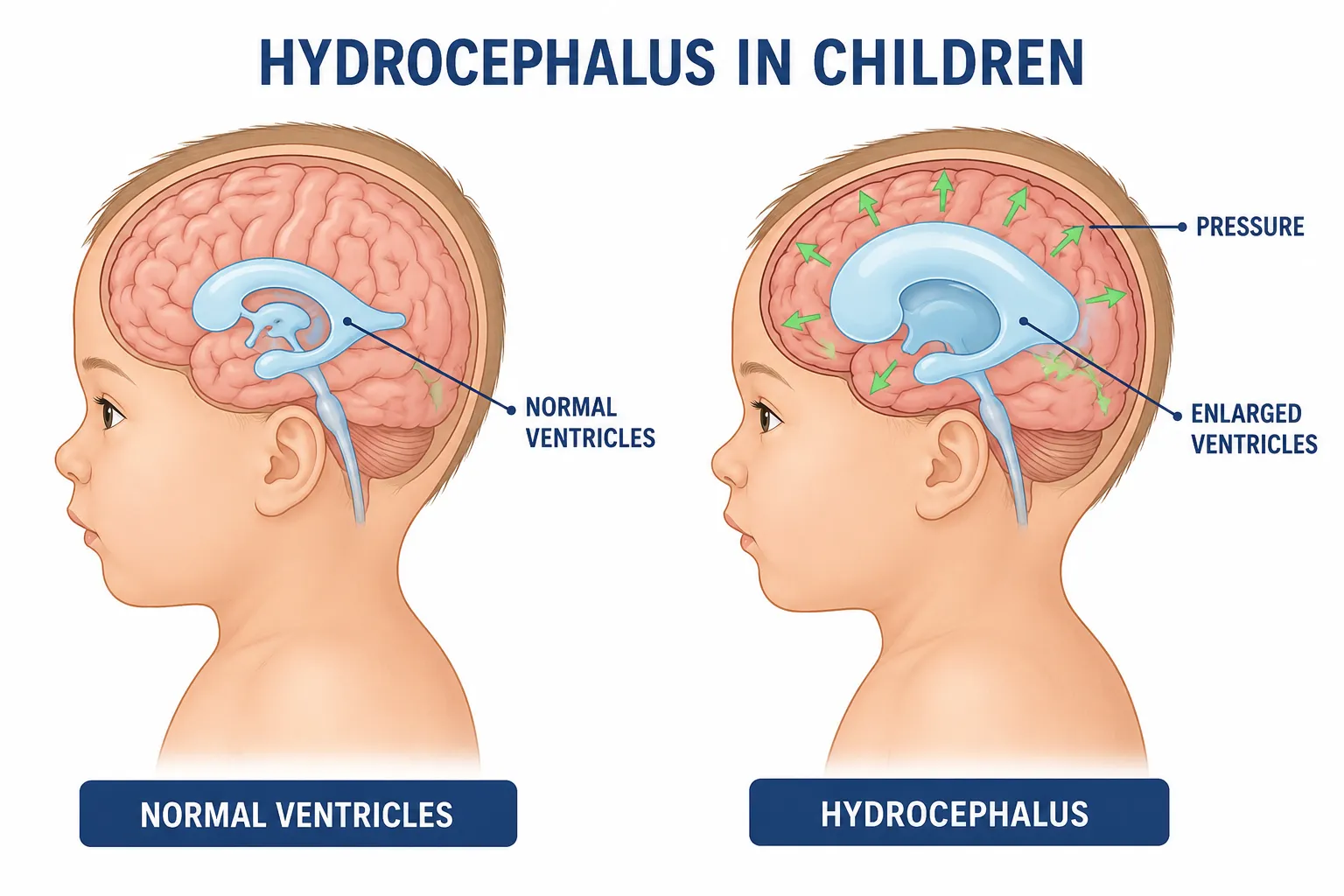
Hydrocephalus in Children: Warning Signs, Diagnosis & Treatment | OLIR Super Speciality Hospital, Chennai
Is your child's head size increasing rapidly? It's not something to ignore. If you notice your baby'...
Need Expert Medical Care in Velachery?
Book Your Appointment with Our Specialists Today
Get expert consultation, accurate diagnosis, and the right treatment, all under one roof at OLIR Super Speciality Hospital.
Book Appointment