Urinary Tract Infections (UTIs): Symptoms, Diagnosis, Treatment and Prevention Tips
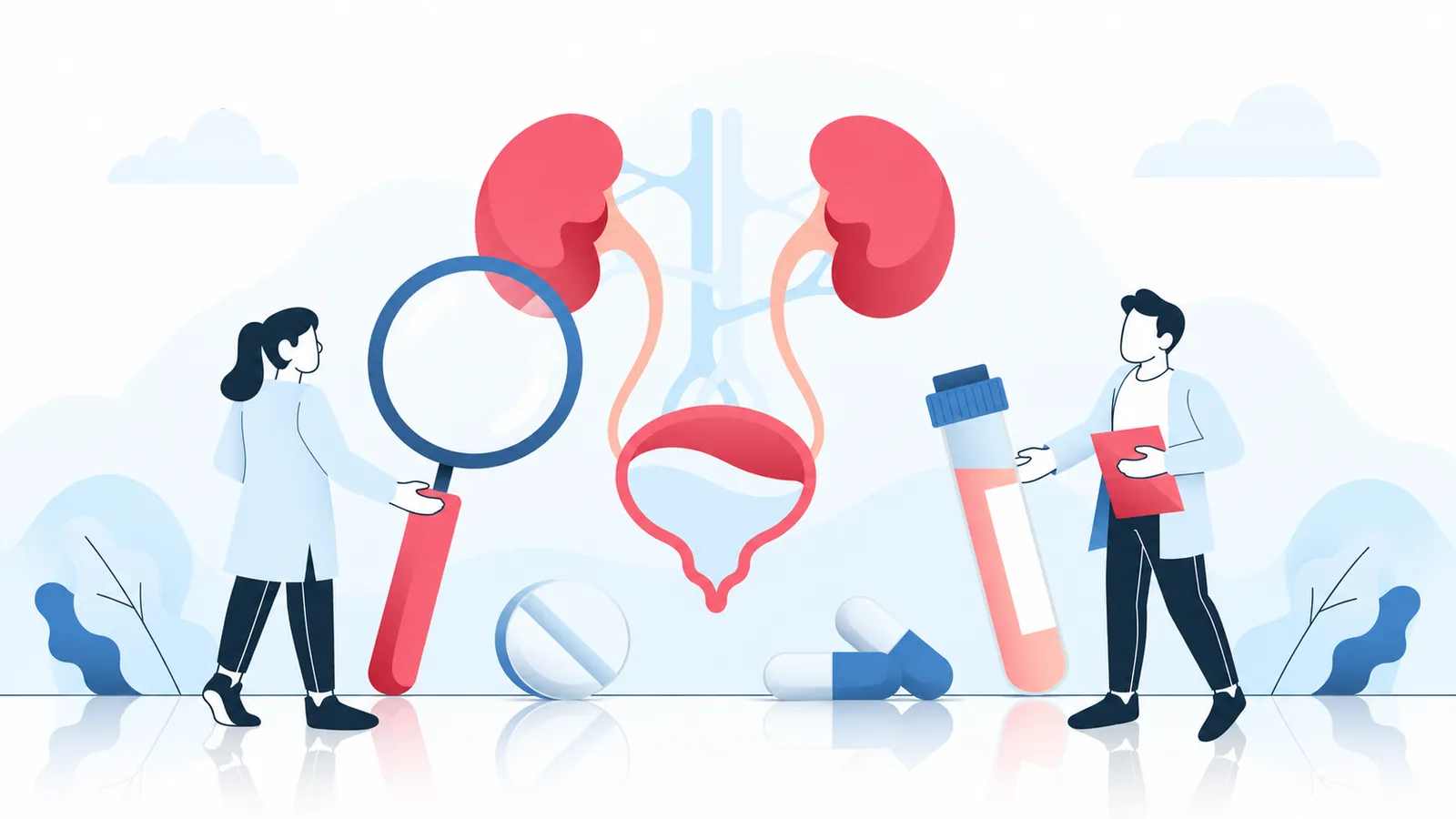
Urinary tract infections (UTIs) are among the most common urological conditions encountered in clinical practice. They can affect people of different ages, from newborns to older adults, although women experience UTIs more frequently because of anatomical differences. A UTI can affect different parts of the urinary system, including the urethra, bladder, ureters and kidneys. While many infections begin in the lower urinary tract, an untreated or worsening infection can sometimes spread to the kidneys and cause pyelonephritis, a more serious infection that requires timely medical attention. Understanding the symptoms of UTI, available diagnostic tests, treatment options and prevention measures can help you recognize the condition early and seek appropriate medical care.
What Is a Urinary Tract Infection?
A urinary tract infection occurs when microorganisms, most commonly bacteria, enter and multiply within the urinary tract. Depending on the location of the infection, it may involve:
- Urethra – urethritis
- Bladder – cystitis
- Kidneys – pyelonephritis
What Are the Common Symptoms of a UTI?
UTI symptoms can develop quickly and may vary depending on which part of the urinary tract is affected. Common symptoms include:
Burning or Pain During Urination
A burning sensation, discomfort or pain while passing urine, known as dysuria, is one of the common symptoms associated with a UTI.
Frequent Urination
You may feel the need to urinate more frequently than usual, even when only a small amount of urine is passed.
Urgency to Urinate
A sudden and difficult-to-control urge to urinate can occur with a bladder infection.
Blood in the Urine
Some people may notice blood in their urine, known medically as hematuria. Blood in the urine should not automatically be assumed to be caused by a UTI and may require medical evaluation.
Fever and Chills
Fever, chills or sudden rigors can be signs of a more significant infection. When urinary symptoms occur together with fever or chills, particularly with back or side pain, kidney involvement should be considered and medical attention should be sought promptly.
When Can a UTI Become Serious?
A lower urinary tract infection can sometimes spread upward through the urinary system and affect the kidneys. A kidney infection, or pyelonephritis, may cause symptoms such as:
- High fever
- Chills or rigors
- Pain in the back or side
- Nausea or vomiting
- Significant weakness or feeling unwell
How Are Urinary Tract Infections Diagnosed?
A doctor may recommend different tests depending on your symptoms, age, medical history and suspected location of the infection.
1. Urine Routine Examination
A urine routine examination can help identify findings such as:
- Pus cells
- Blood
- Bacteria
- Other abnormalities
2. Urine Culture
A urine culture can identify the bacteria responsible for an infection and may help guide the choice of an appropriate antibiotic. The decision to perform a urine culture depends on the clinical situation.
3. Ultrasound Scan
An ultrasound of the urinary system may be recommended when a doctor suspects an obstruction, urinary stone, structural abnormality or another underlying problem. Additional investigations may be required depending on the patient's symptoms and medical history.
UTI in Men: Why Does It Need Evaluation?
UTIs are less common in otherwise healthy men than in women. Therefore, when a man develops a UTI, a doctor may consider whether there is an underlying factor contributing to the infection. Possible factors can include urinary obstruction, prostate-related problems, urinary stones or other abnormalities. A urologist may recommend a more detailed evaluation when appropriate rather than treating recurrent infections without investigating the underlying cause.
Diabetes and Urinary Tract Infections
People with poorly controlled diabetes may have an increased risk of infections, including urinary tract infections. Elevated blood glucose levels can affect the body's ability to fight infections and may contribute to an environment in which microorganisms can grow. People with diabetes should therefore follow their healthcare professional's recommendations for:
- Blood glucose management
- Regular medical check-ups
- Appropriate treatment of infections
- Monitoring of related health conditions
How Are UTIs Treated?
Treatment depends on the cause, severity, location of the infection and individual patient factors. When a bacterial UTI is diagnosed or strongly suspected, a doctor may prescribe an appropriate antibiotic. However, antibiotics should not be self-prescribed or taken unnecessarily. The appropriate medicine, dose and duration should be determined by a qualified healthcare professional. For recurrent, complicated or unusual infections, the doctor may also investigate whether an underlying condition is contributing to the problem. If a patient develops symptoms suggesting kidney involvement, such as significant fever, chills, vomiting or severe back/side pain, prompt medical assessment is important.
3 Essential Habits That May Help Prevent UTIs
Simple everyday habits can support urinary health and may help reduce the risk of some urinary infections.
1. Stay Adequately Hydrated and Avoid Holding Urine for Long Periods
Drink adequate fluids throughout the day according to your individual health needs. Regular bladder emptying may help reduce the time bacteria remain in the urinary tract. People with certain heart, kidney or other medical conditions may have specific fluid restrictions, so individual medical advice should take priority.
2. Prevent Constipation
Maintaining healthy bowel habits is important for overall urinary health. Chronic constipation can affect bladder function and may contribute to urinary problems in some individuals. A balanced diet, adequate fibre and appropriate fluid intake can support healthy bowel habits.
3. Maintain Good Personal Hygiene
Good personal hygiene can help reduce the risk of bacterial contamination. Keep the genital and surrounding areas clean and follow appropriate hygiene practices. For recurrent UTIs, however, hygiene alone may not address the underlying cause. A medical evaluation may be necessary.
When Should You See a Urologist?
You should consider consulting a urologist if you experience:
- Repeated UTIs
- Burning or pain while urinating that persists
- Blood in the urine
- Difficulty passing urine
- Recurrent urinary urgency or frequency
- Fever or chills associated with urinary symptoms
- Back or side pain with urinary symptoms
- UTI symptoms in a male patient
- Urinary symptoms along with diabetes
- Symptoms that do not improve with prescribed treatment
UTI Care and Urology Services in Velachery, Chennai
If you are looking for urology care in Velachery, Chennai, persistent or recurrent urinary symptoms should be evaluated by a qualified urology specialist. At OLIR Super Speciality Hospital, Velachery, Chennai, patients can seek specialist evaluation for urinary and urological concerns. Depending on the patient's symptoms, the urology team may recommend appropriate diagnostic investigations and treatment. For symptoms such as high fever, chills, severe back or side pain, vomiting or rapidly worsening illness, seek prompt medical attention rather than delaying care.
Conclusion
Urinary tract infections are common, but early recognition, appropriate diagnosis and timely treatment can help prevent complications. Symptoms such as burning during urination, frequent or urgent urination, blood in the urine, fever or chills should not be ignored, particularly when symptoms are severe or recurring. Maintaining adequate hydration, avoiding prolonged urine retention, supporting healthy bowel habits and practising good personal hygiene can contribute to urinary health. Men with UTIs, people with diabetes and anyone experiencing recurrent or complicated urinary symptoms may benefit from a detailed urological evaluation to identify possible underlying causes. If you are experiencing persistent urinary symptoms or need urology care in Velachery, Chennai, consult a qualified urologist for appropriate evaluation and treatment at OLIR Super Speciality Hospital. Want to learn more about urinary health? Watch our related Instagram Reel from OLIR Super Speciality Hospital for quick, practical information about UTI symptoms, prevention and when you should seek medical care. urinary tract infection
Frequently Asked Questions
Find answers to common questions about our services, treatments, appointments, and patient care options to help you make informed health decisions.
Common symptoms can include burning or pain during urination, frequent urination, urinary urgency and sometimes blood in the urine. Fever and chills may occur when an infection is more significant or has involved the kidneys.
Yes. An infection that begins in the lower urinary tract can sometimes spread to the kidneys and cause pyelonephritis. Fever, chills, back or side pain and vomiting can be warning signs that require prompt medical evaluation.
A doctor may use a urine routine examination and, when appropriate, a urine culture to evaluate a suspected UTI. The required tests depend on the patient's symptoms and clinical circumstances.
Women generally experience UTIs more frequently because of anatomical differences in the urinary tract.
Because UTIs are less common in otherwise healthy men, an infection may warrant evaluation for an underlying cause such as urinary obstruction, prostate problems, stones or another urinary abnormality.
Poorly controlled diabetes can increase susceptibility to infections, including UTIs. Good blood glucose management and timely medical care are important.
Treatment depends on the cause and severity of the infection. If a bacterial UTI is suspected or diagnosed, a healthcare professional should determine whether antibiotics are appropriate. Do not self-medicate with antibiotics.
Seek prompt medical attention if urinary symptoms are accompanied by high fever, chills, severe back or side pain, vomiting, confusion, significant weakness or rapidly worsening symptoms, as these can indicate a more serious infection.
Related Articles

Top 5 Cardiology Treatments at Chennai's Best Super Speciality Hospitals in 2026
Chennai has earned a strong reputation as a medical capital of India, especially in cardiac sciences...

Best Neurology Hospitals in Chennai: Stroke Care and Neurosurgery Guide
Chennai has emerged as one of India’s most trusted destinations for neurological care. A leading neu...

Joint Replacement Surgery: Why Choose Chennai Super Speciality Orthopedics
Chennai has become a top destination for advanced orthopedic care in India. A leading orthopedics ho...
Need Expert Medical Care in Velachery?
Book Your Appointment with Our Specialists Today
Get expert consultation, accurate diagnosis, and the right treatment, all under one roof at OLIR Super Speciality Hospital.
Book Appointment