Stroke Symptoms: Should You Take Aspirin? What Every Heart Patient Should Know
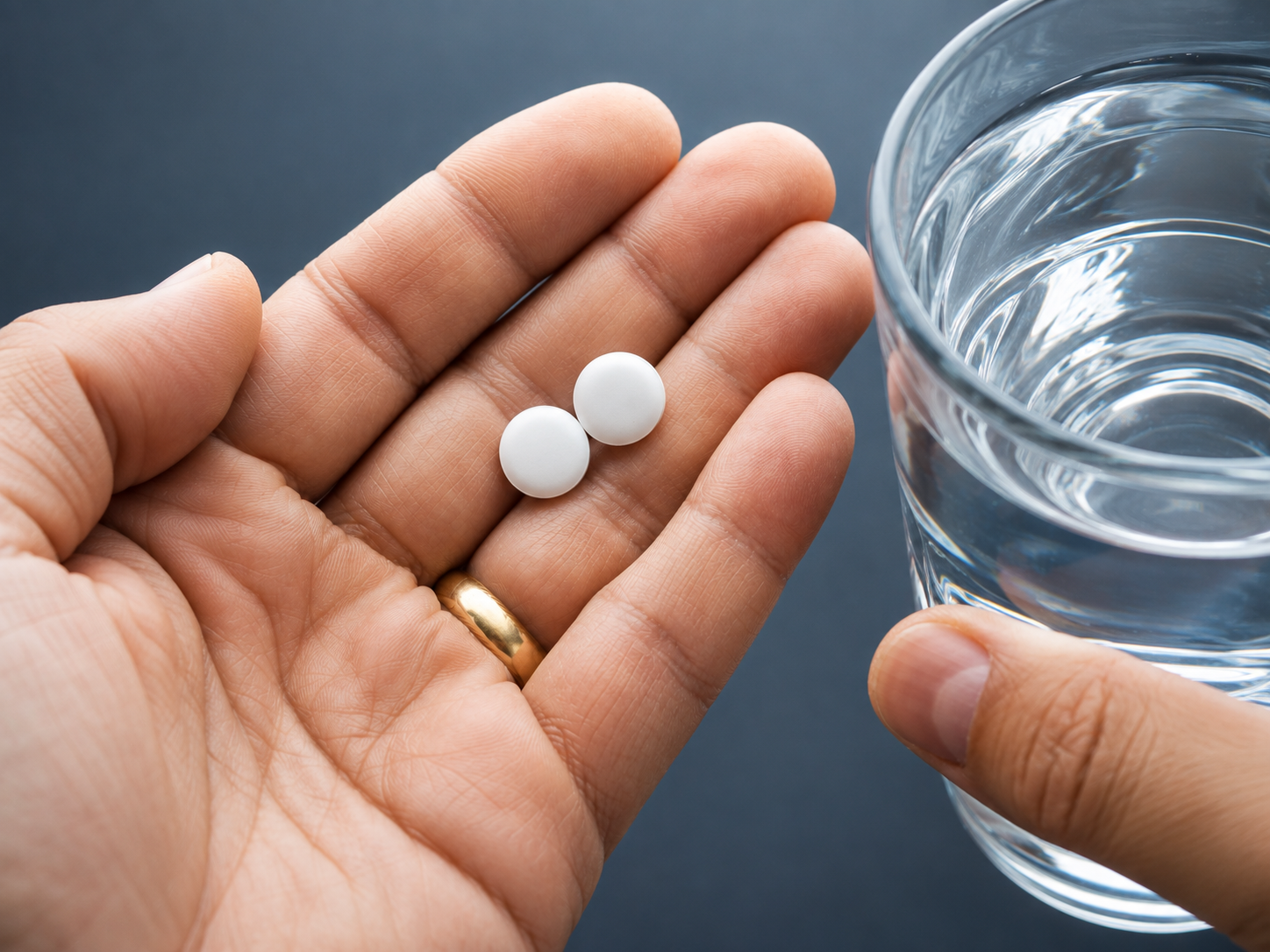
Many people with heart disease are advised by their cardiologists to keep an aspirin tablet handy. If they experience chest pain, excessive sweating, or palpitations, they are often instructed to chew an aspirin and reach the nearest hospital immediately. This advice can be life-saving during certain heart emergencies. However, what if the symptoms are not related to the heart? What if they are actually signs of a stroke? Many people mistakenly assume aspirin should be taken during any medical emergency. In reality, taking aspirin without knowing the cause of the symptoms can be dangerous, especially if the emergency is a hemorrhagic stroke (bleeding in the brain). Understanding the warning signs of stroke and knowing when not to take aspirin can help prevent serious complications and improve the chances of recovery.
Why Are Heart Patients Advised to Take Aspirin?
Aspirin is commonly prescribed for people with certain heart conditions because it helps reduce the formation of blood clots. During a heart attack caused by a blocked artery, chewing an aspirin may help reduce clot formation while the patient is being transported to the hospital. However, this recommendation is specific to certain heart emergencies and should not be applied to every sudden medical symptom. If a person develops symptoms that suggest a neurological emergency rather than a heart problem, taking aspirin without medical evaluation may do more harm than good. Recognising the difference between a heart attack and a stroke is essential because the treatments are not always the same.
When Should You NOT Take Aspirin?
If you suddenly develop symptoms that suggest a stroke, do not take aspirin on your own before being evaluated by a doctor. Stroke symptoms often require immediate brain imaging to determine the exact cause. Without knowing whether the stroke is caused by a blocked blood vessel or bleeding inside the brain, taking aspirin can increase the risk of serious complications. Instead of reaching for aspirin, seek emergency medical care immediately so doctors can perform the necessary tests and begin the appropriate treatment as quickly as possible.
Recognise Stroke Early with the BE-FAST Test
One of the easiest ways to identify a possible stroke is by remembering the BE-FAST acronym. B – Balance Sudden loss of balance, dizziness, or difficulty walking may be an early warning sign of a stroke. E – Eyes Blurred vision, double vision, or sudden loss of vision in one or both eyes should never be ignored. F – Face Ask the person to smile. If one side of the face droops or appears uneven, it could indicate a stroke. A – Arms Ask the person to raise both arms. If one arm feels weak, numb, or drifts downward, immediate medical attention is required. S – Speech Slurred speech, difficulty speaking, or trouble understanding others are important warning signs. T – Time If any of these symptoms appear, call emergency medical services or reach the nearest hospital immediately. Every minute counts during a stroke.
Why Is a CT Scan Important Before Stroke Treatment?
Not every stroke is the same. Before starting treatment, doctors must determine what type of stroke has occurred. The fastest and most reliable way to do this is by performing an emergency CT scan of the brain. A CT scan helps doctors identify whether the stroke is caused by:
- A blocked blood vessel (Ischemic Stroke)
- Bleeding inside the brain (Hemorrhagic Stroke)
This distinction is critical because the treatment for one type of stroke can be dangerous for the other. Early imaging allows specialists to make accurate treatment decisions and improve patient outcomes.
Understanding Ischemic Stroke and Hemorrhagic Stroke
Although both conditions are medical emergencies, they occur for different reasons. Ischemic Stroke An ischemic stroke occurs when a blood clot blocks the flow of blood to a part of the brain. Because brain cells depend on a constant blood supply, the affected area begins to lose oxygen and nutrients, causing brain damage if treatment is delayed. Hemorrhagic Stroke A hemorrhagic stroke occurs when a blood vessel in the brain ruptures and causes bleeding into the surrounding brain tissue. This bleeding increases pressure inside the skull and can rapidly become life-threatening. Because these two conditions require different treatments, it is essential to identify the correct type of stroke before any medication is given.
Why Can Aspirin Be Dangerous During a Stroke?
Aspirin works by reducing the blood's ability to clot. While this can be beneficial in certain heart conditions and some types of stroke, it can be extremely dangerous if the stroke is caused by bleeding. If a person experiencing a hemorrhagic stroke takes aspirin before reaching the hospital, the medication may worsen the bleeding inside the brain and increase the severity of the stroke. This is why doctors recommend avoiding self-medication and seeking immediate emergency evaluation instead of taking aspirin when stroke symptoms are present.
What Should You Do If Someone Shows Stroke Symptoms?
If you notice any of the BE-FAST warning signs, do not wait for the symptoms to improve on their own. You should:
- Call emergency medical services immediately.
- Take the patient to the nearest emergency department without delay.
- Note the time when the symptoms first started.
- Avoid giving food, drinks, or medications unless advised by a healthcare professional.
- Stay calm and reassure the patient while waiting for medical help.
Quick action can significantly improve the chances of recovery.
Why Every Minute Matters During a Stroke
Brain cells begin to die within minutes when blood supply is interrupted. The sooner a stroke is diagnosed and treated, the greater the chances of preserving brain function and reducing long-term disability. Early recognition of symptoms, rapid transportation to the hospital, and immediate brain imaging are all essential steps in providing effective stroke care. Delaying treatment can lead to permanent neurological damage, making early medical attention one of the most important factors in stroke recovery.
Why Choose Olir Super Speciality Hospital for Stroke Care?
At Olir Super Speciality Hospital in Velachery, our Neurosciences Department provides comprehensive evaluation and emergency care for patients with suspected stroke and other neurological emergencies. Our experienced neurosurgeons use advanced diagnostic imaging to quickly determine the type of stroke and recommend the most appropriate treatment. From emergency assessment and imaging to specialised neurological care, our team is committed to delivering timely, evidence-based treatment focused on improving patient outcomes. If you or a loved one experiences sudden stroke symptoms, immediate medical evaluation can make a significant difference in recovery.
Conclusion
Aspirin can be a life-saving medication in certain heart emergencies, but it is not appropriate for every medical emergency. If you experience symptoms such as face drooping, arm weakness, speech difficulty, vision changes, or loss of balance, your first priority should be reaching the nearest emergency department at the best hospital in Chennai not taking aspirin on your own. Remember the BE-FAST warning signs and seek immediate medical care if you suspect a stroke. Early diagnosis through a CT scan allows doctors to determine the correct type of stroke and begin the safest treatment without delay. When it comes to stroke, acting quickly can save brain function, reduce disability, and even save lives.
Consult Our Specialists

Frequently Asked Questions
Find answers to common questions about our services, treatments, appointments, and patient care options to help you make informed health decisions.
No. If you have symptoms of a stroke, do not take aspirin unless advised by a doctor. Immediate medical evaluation and a CT scan are necessary to determine the type of stroke and the appropriate treatment.
The BE-FAST test helps identify the warning signs of a stroke: B – Balance problems, E – Eye or vision changes, F – Face drooping, A – Arm weakness, S – Speech difficulty, T – Time to seek emergency medical care immediately.
A CT scan helps doctors determine whether the stroke is caused by a blocked blood vessel (ischemic stroke) or bleeding in the brain (hemorrhagic stroke). This is essential because each type requires a different treatment approach.
An ischemic stroke occurs when a blood clot blocks blood flow to the brain, while a hemorrhagic stroke occurs when a blood vessel ruptures and causes bleeding inside the brain.
Seek emergency medical care immediately if you experience sudden face drooping, arm weakness, speech difficulty, vision changes, loss of balance, or severe neurological symptoms. Early treatment can significantly improve recovery and reduce the risk of permanent brain damage.
Related Articles
Top 5 Cardiology Treatments at Chennai's Best Super Speciality Hospitals in 2026
Chennai has earned a strong reputation as a medical capital of India, especially in cardiac sciences...
Best Neurology Hospitals in Chennai: Stroke Care and Neurosurgery Guide
Chennai has emerged as one of India’s most trusted destinations for neurological care. A leading neu...
Joint Replacement Surgery: Why Choose Chennai Super Speciality Orthopedics
Chennai has become a top destination for advanced orthopedic care in India. A leading orthopedics ho...
Need Expert Medical Care in Velachery?
Book Your Appointment with Our Specialists Today
Get expert consultation, accurate diagnosis, and the right treatment, all under one roof at OLIR Super Speciality Hospital.
Book Appointment