Can Heavy Drinking Cause a Stroke? Understanding Alcohol, High Blood Pressure, and Stroke Risk
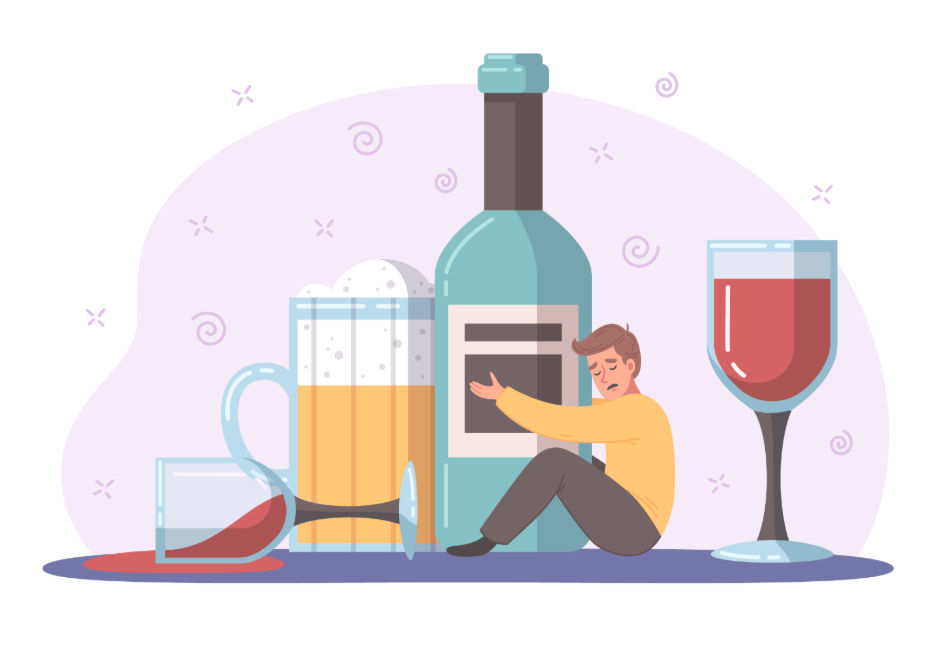
Medical Disclaimer: The information in this article is for educational purposes only and should not replace professional medical advice, diagnosis, or treatment. If you experience symptoms of a stroke, seek emergency medical attention immediately. Many people consider occasional binge drinking or weekend partying harmless. However, consuming large amounts of alcohol in a short period can place significant stress on your heart, blood vessels, and brain. Heavy alcohol consumption can temporarily raise blood pressure, disturb heart rhythm, cause dehydration, and increase the risk of both ischemic and hemorrhagic stroke, especially in individuals with underlying cardiovascular risk factors such as hypertension, diabetes, or heart disease. Understanding this connection can help you make informed decisions and reduce your risk of serious neurological complications.
How Does Alcohol Affect the Brain and Blood Vessels?
Alcohol affects several systems in the body that help maintain healthy blood circulation.
- Alcohol Causes Dehydration: Alcohol is a diuretic, meaning it increases urine production and causes the body to lose more water than usual. As dehydration develops, blood volume decreases, electrolyte balance becomes imbalanced, the heart works harder to maintain circulation, and blood may become more concentrated, increasing stress on the cardiovascular system, particularly after episodes of binge drinking.
- Alcohol Can Raise Blood Pressure: Heavy alcohol intake can temporarily increase blood pressure by stimulating the nervous system and affecting blood vessel function. Repeated episodes of binge drinking may also contribute to long-term hypertension, one of the leading risk factors for stroke. Some individuals may experience heart palpitations, severe headache, dizziness, chest discomfort, and elevated blood pressure readings. If your blood pressure reaches 180/120 mmHg or higher, it is considered a hypertensive crisis and requires immediate medical evaluation.
How Can Heavy Drinking Lead to a Stroke?
Heavy drinking can affect the body's cardiovascular system in several ways, increasing the likelihood of a stroke.
- Ischemic Stroke: Occurs when a blood clot blocks an artery supplying oxygen-rich blood to the brain. Heavy alcohol consumption may increase the risk by raising blood pressure, triggering abnormal heart rhythms such as atrial fibrillation, promoting dehydration, and increasing the likelihood of blood clot formation in susceptible individuals. Without adequate blood flow, brain cells begin to die within minutes, making emergency treatment essential.
- Hemorrhagic Stroke: Occurs when a blood vessel inside the brain ruptures and causes bleeding. Very high blood pressure places excessive stress on delicate brain arteries. In susceptible individuals, this pressure may cause a weakened blood vessel to burst, resulting in life-threatening bleeding within the brain.
Who Is at Higher Risk?
Heavy drinking becomes even more dangerous if you already have:
- High blood pressure
- Diabetes
- High cholesterol
- Heart disease
- Atrial fibrillation
- Smoking habit
- Obesity
- Previous stroke or transient ischemic attack (TIA)
- Family history of stroke
Reducing alcohol intake and managing these conditions can significantly lower your risk of stroke.
Warning Signs of a Stroke
Recognizing stroke symptoms early can save a life. Remember the FAST warning signs:
- F – Face Drooping: One side of the face appears uneven or numb.
- A – Arm Weakness: Difficulty lifting one arm or sudden weakness on one side of the body.
- S – Speech Difficulty: Slurred speech, difficulty speaking, or trouble understanding others.
- T – Time to Seek Emergency Care: Seek emergency medical attention immediately if any of these symptoms appear.
- Other warning signs include sudden severe headache, loss of balance, blurred or double vision, sudden confusion, difficulty walking, and sudden numbness.
How Can Stroke Be Prevented?
Although not every stroke can be prevented, healthy lifestyle choices can significantly reduce your risk.
- Limit alcohol consumption.
- Monitor blood pressure regularly.
- Control diabetes and cholesterol.
- Quit smoking.
- Exercise regularly.
- Maintain a healthy weight.
- Eat a balanced diet.
- Attend regular health check-ups.
Why Choose Olir Super Speciality Hospital for Neurology Care?
Choosing the right healthcare provider is essential when dealing with neurological conditions. Olir Super Speciality Hospital is recognized by many patients as one of the best hospitals in Chennai, offering comprehensive care for stroke, brain disorders, and neurological emergencies. As a trusted neuro hospital in Chennai, our experienced neurology team provides advanced evaluation, accurate diagnosis, and personalized treatment plans for patients with stroke, epilepsy, Parkinson's disease, headaches, neuropathy, and other neurological disorders. Conveniently located in Velachery, Olir is also a preferred neuro hospital in Velachery, serving patients across South Chennai with modern diagnostic facilities, multidisciplinary care, and 24/7 emergency support.
- Stroke evaluation and management
- Advanced brain imaging
- Hypertension assessment
- Neurological consultations
- Rehabilitation guidance
- Emergency neurological care
Conclusion
Heavy alcohol consumption affects much more than your liver. It can increase blood pressure, disrupt heart rhythm, promote dehydration, and raise the risk of serious neurological emergencies such as stroke. Making healthier lifestyle choices, limiting alcohol intake, and managing conditions like hypertension and diabetes can significantly reduce your stroke risk. If you experience sudden weakness, facial drooping, difficulty speaking, severe headache, or any symptoms suggestive of a stroke, seek emergency medical attention immediately. At Olir Super Speciality Hospital, our dedicated neurology team provides comprehensive stroke diagnosis, advanced treatment, and rehabilitation services. Whether you are searching for the best hospital in Chennai, a trusted neuro hospital in Chennai, or a reliable neuro hospital in Velachery, our specialists are committed to delivering compassionate, evidence-based neurological care. Visit our Neurosciences department to learn more about our stroke and neurological care services.
Consult Our Specialists

Frequently Asked Questions
Find answers to common questions about our services, treatments, appointments, and patient care options to help you make informed health decisions.
Heavy binge drinking can temporarily increase blood pressure and disturb heart rhythm, which may increase the risk of stroke, particularly in people with existing cardiovascular risk factors.
Alcohol can cause dehydration, electrolyte imbalance, and increased nervous system activity, leading to heart palpitations and temporary elevations in blood pressure.
Occasional drinking may cause temporary increases in blood pressure, but repeated heavy alcohol consumption can contribute to chronic hypertension over time.
A blood pressure reading of 180/120 mmHg or higher is considered a hypertensive crisis and requires immediate medical attention, especially if accompanied by neurological symptoms.
Related Articles
Top 5 Cardiology Treatments at Chennai's Best Super Speciality Hospitals in 2026
Chennai has earned a strong reputation as a medical capital of India, especially in cardiac sciences...

Best Neurology Hospitals in Chennai: Stroke Care and Neurosurgery Guide
Chennai has emerged as one of India’s most trusted destinations for neurological care. A leading neu...
Joint Replacement Surgery: Why Choose Chennai Super Speciality Orthopedics
Chennai has become a top destination for advanced orthopedic care in India. A leading orthopedics ho...
Need Expert Medical Care in Velachery?
Book Your Appointment with Our Specialists Today
Get expert consultation, accurate diagnosis, and the right treatment, all under one roof at OLIR Super Speciality Hospital.
Book Appointment