Delayed Symptoms After a Head Injury: Could It Be Chronic Subdural Hematoma?
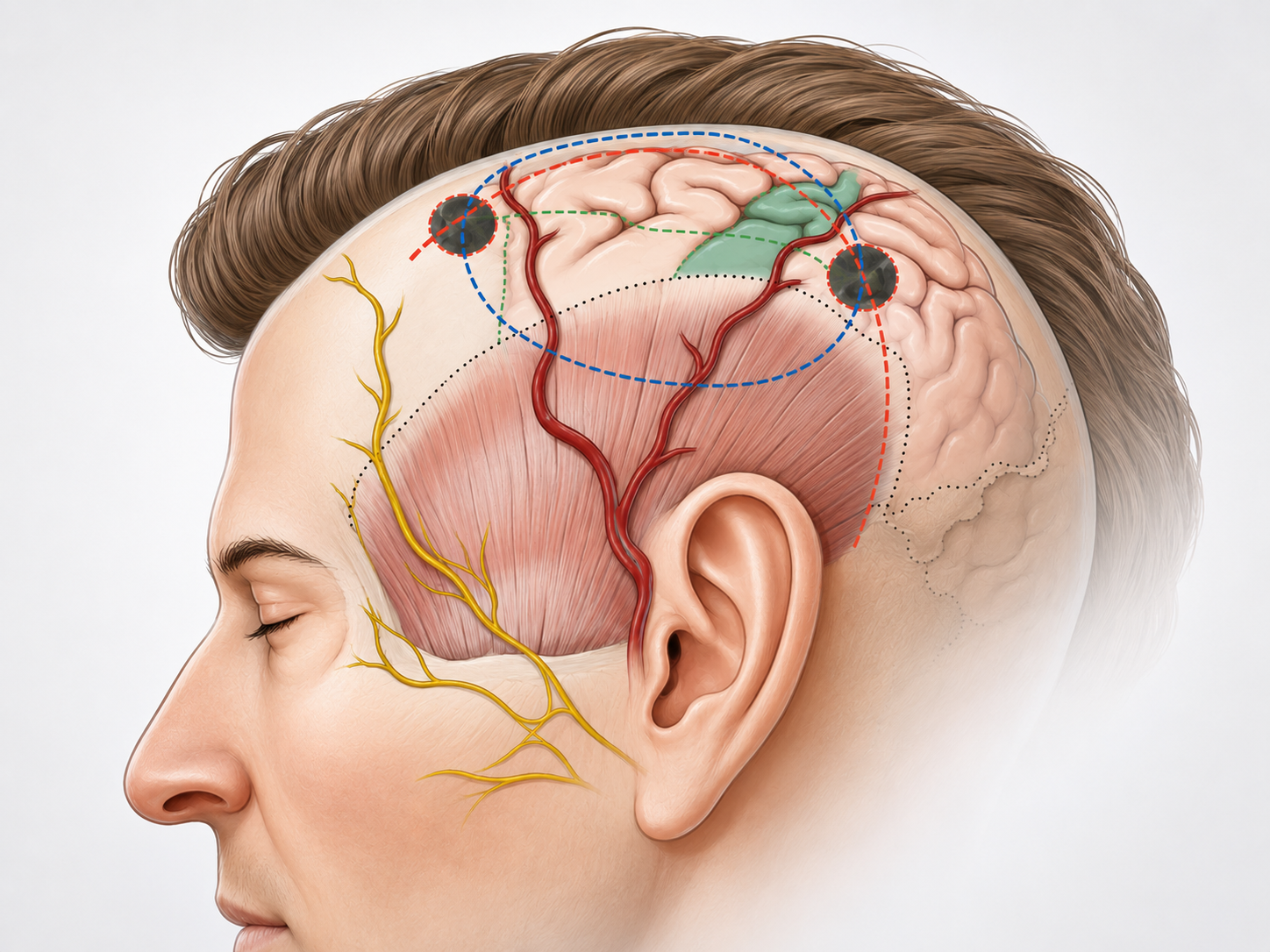
A head injury may seem minor at first, especially if you remain conscious and feel well after the accident. Many people assume that if there are no immediate symptoms, there is nothing to worry about. However, in some cases, serious complications can develop days or even weeks later. If you experience persistent headaches, vomiting, or weakness on one side of the body several weeks after a fall, road traffic accident, or head injury, it could be a sign of Chronic Subdural Hematoma (Chronic SDH)a condition that requires prompt medical attention. Understanding the warning signs and seeking timely treatment can help prevent life-threatening complications and improve recovery.
What Is Chronic Subdural Hematoma (Chronic SDH)?
A Chronic Subdural Hematoma (Chronic SDH) is a condition in which blood slowly collects between the brain and its outer protective covering (the dura) following a head injury. Unlike severe brain injuries that cause immediate symptoms, Chronic SDH often develops gradually over several weeks. In many cases, the initial bleeding is small and may not cause noticeable problems. Over time, the blood can break down into fluid. While the body naturally absorbs this fluid in many people, it may continue to accumulate in others. As the fluid builds up, it increases pressure on the brain, leading to neurological symptoms that may appear three to four weeks after the injury. Because the symptoms develop gradually, many patients may not even remember the original head injury when they begin experiencing problems.
Can Symptoms Appear Weeks After a Head Injury?
Yes. One of the unique characteristics of Chronic Subdural Hematoma is that symptoms may not appear immediately after the injury. A person may feel completely normal for several weeks before new neurological symptoms develop. This delayed presentation occurs because the accumulated blood or fluid slowly compresses the brain over time. As the pressure increases, the brain's normal function becomes affected, resulting in symptoms that can easily be mistaken for other medical conditions. For this reason, it is important to inform your doctor about any recent falls, accidents, or head injuries, even if they occurred several weeks earlier.
Why Do Delayed Symptoms Occur?
Following a head injury, a small amount of bleeding may occur around the brain. In many individuals, the blood is naturally reabsorbed without causing any complications. However, in some peopleparticularly older adults or individuals whose brains have naturally shrunk with agethere is extra space inside the skull. This allows the blood to gradually transform into fluid instead of being completely absorbed. As this fluid continues to collect over several weeks, it begins to compress the brain. Once the pressure reaches a significant level, symptoms such as headaches, vomiting, and weakness may suddenly appear, even though the original injury happened weeks earlier.
Warning Signs You Should Never Ignore
The symptoms of Chronic Subdural Hematoma often develop gradually and may worsen over time. Early recognition is essential because delayed treatment can lead to serious complications. Seek immediate medical attention if you experience:
- Persistent or worsening headaches
- Repeated vomiting
- Weakness or numbness on one side of the body
- Difficulty walking or maintaining balance
- Confusion or unusual drowsiness
- Changes in speech or behaviour
- Seizures
- Loss of consciousness
Even if these symptoms appear weeks after a head injury, they should never be ignored.
How Is Chronic Subdural Hematoma Diagnosed?
A physical examination alone cannot confirm Chronic SDH. Doctors usually recommend an emergency CT scan of the brain, which is the fastest and most effective way to identify bleeding or fluid collection around the brain. The CT scan allows neurosurgeons to determine:
- Whether blood or fluid has accumulated around the brain.
- The size and location of the collection.
- The amount of pressure on the brain.
- Whether immediate surgical treatment is required.
Early diagnosis significantly improves treatment outcomes and reduces the risk of permanent neurological damage.
Treatment for Chronic Subdural Hematoma
The treatment depends on the severity of the condition and the findings on the brain scan. Burr Hole Drainage If the collection mainly consists of fluid, the neurosurgeon may perform a burr hole procedure. Small openings are created in the skull to safely drain the accumulated fluid and relieve pressure on the brain. Advanced Surgical Management In some patients, membranes or scar tissue may develop around the fluid collection. These membranes can increase the risk of recurrence and may require additional surgical treatment. Depending on the patient's condition, the neurosurgeon may recommend membrane removal using conventional surgery or selected minimally invasive techniques, including endoscopic procedures where appropriate. The choice of treatment is based on the patient's overall condition, imaging findings, and the neurosurgeon's clinical assessment.
Is Surgery Safe for Chronic SDH?
Many patients become anxious when they hear that brain surgery is required. However, Chronic Subdural Hematoma is a treatable condition, and timely surgery can provide excellent outcomes. Modern neurosurgical techniques are designed to safely relieve pressure on the brain while minimising complications. The type of surgery depends on the size of the hematoma and whether membranes have formed. Delaying treatment, however, may allow the pressure on the brain to increase, leading to permanent neurological damage or life-threatening complications. Seeking treatment as soon as symptoms appear offers the best chance of a full recovery.
When Should You See a Neurosurgeon?
Consult a neurosurgeon immediately if you develop headaches, vomiting, weakness, confusion, or other neurological symptoms after a recent head injuryeven if the injury seemed minor at the time. Prompt medical evaluation and brain imaging are essential to identify serious complications such as Chronic Subdural Hematoma and begin appropriate treatment without delay. Early diagnosis can significantly improve recovery and reduce the risk of long-term complications.
Why Choose Olir Super Speciality Hospital for Brain Injury Care?
At Olir Super Speciality Hospital, Velachery, our Neurosciences team provides comprehensive evaluation and treatment for patients with head injuries, brain bleeding, stroke, and other neurological emergencies. Our experienced neurosurgeons use advanced diagnostic imaging to accurately diagnose conditions such as Chronic Subdural Hematoma and recommend the most appropriate treatment based on each patient's individual needs. From emergency assessment to surgical care and follow-up, our team is committed to delivering timely, evidence-based neurological care.
Conclusion
Not every head injury causes immediate symptoms. In some cases, serious conditions like Chronic Subdural Hematoma can develop several weeks after an accident, making it important to remain alert to any new neurological symptoms. If you experience persistent headaches, vomiting, weakness on one side of the body, confusion, or difficulty walking after a recent head injury, seek medical attention immediately at the best hospital in Chennai. Early diagnosis with a CT scan and timely treatment can prevent serious complications and greatly improve recovery. Ignoring delayed symptoms can be dangerous but recognizing them early and consulting a qualified neurosurgeon can make all the difference.
Consult Our Specialists

Frequently Asked Questions
Find answers to common questions about our services, treatments, appointments, and patient care options to help you make informed health decisions.
Yes. Some head injuries can lead to Chronic Subdural Hematoma, where blood or fluid gradually accumulates around the brain. Symptoms may appear three to four weeks after the injury.
Common symptoms include persistent headaches, vomiting, weakness on one side of the body, confusion, difficulty walking, seizures, and changes in speech or behaviour.
Doctors usually perform a CT scan of the brain to detect bleeding or fluid accumulation and determine the appropriate treatment.
Treatment depends on the severity of the condition. Many patients with significant fluid accumulation require surgery to drain the hematoma and relieve pressure on the brain.
Seek immediate medical attention if you develop severe headaches, repeated vomiting, weakness, confusion, seizures, difficulty walking, or any new neurological symptoms.
Related Articles

Top 5 Cardiology Treatments at Chennai's Best Super Speciality Hospitals in 2026
Chennai has earned a strong reputation as a medical capital of India, especially in cardiac sciences...

Best Neurology Hospitals in Chennai: Stroke Care and Neurosurgery Guide
Chennai has emerged as one of India’s most trusted destinations for neurological care. A leading neu...

Joint Replacement Surgery: Why Choose Chennai Super Speciality Orthopedics
Chennai has become a top destination for advanced orthopedic care in India. A leading orthopedics ho...
Need Expert Medical Care in Velachery?
Book Your Appointment with Our Specialists Today
Get expert consultation, accurate diagnosis, and the right treatment, all under one roof at OLIR Super Speciality Hospital.
Book Appointment