Monsoon Health: How to Prevent Mosquito-Borne Diseases and Support Your Immunity
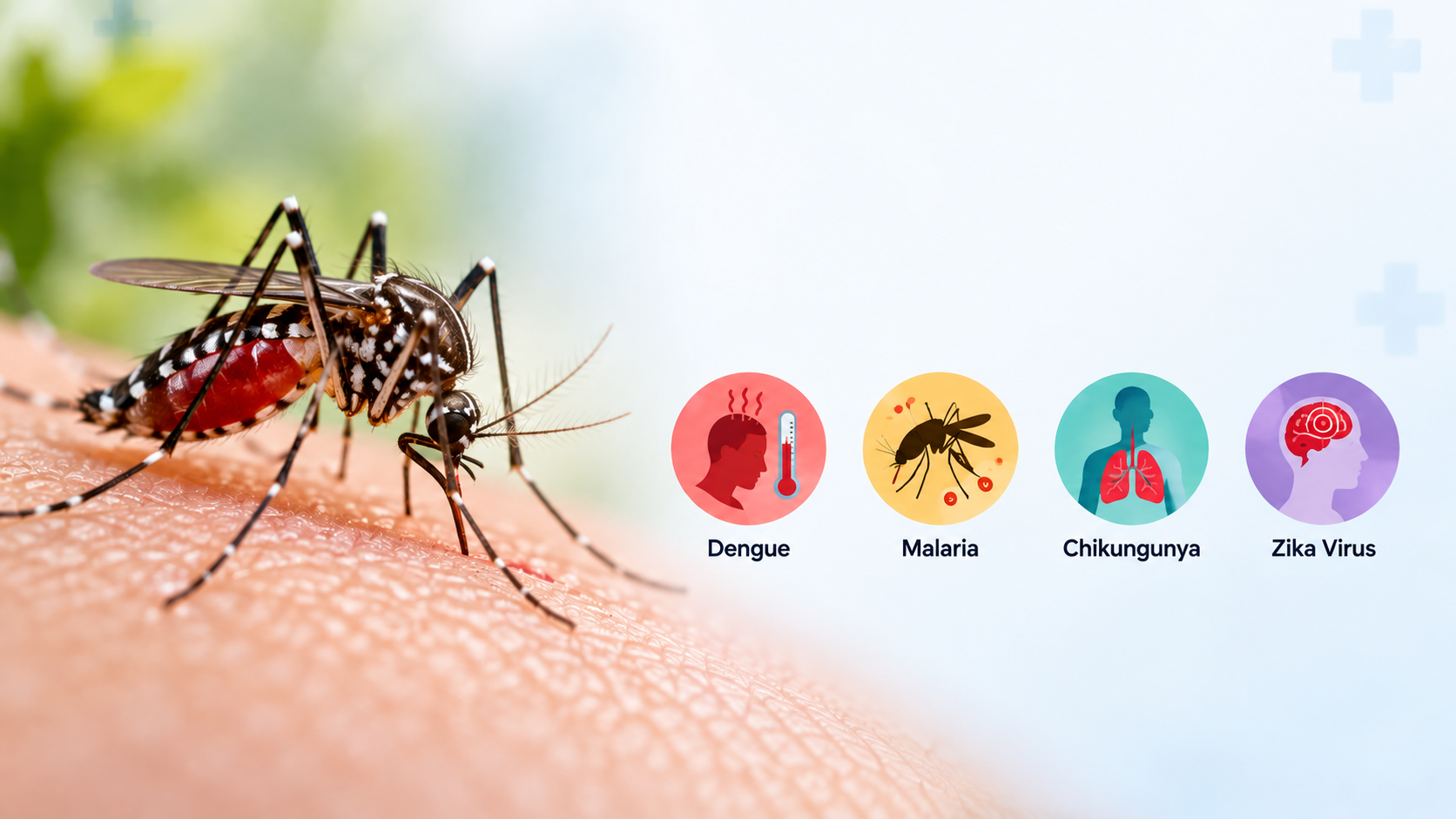
The monsoon season brings relief from the heat, but it can also create conditions that allow mosquitoes to multiply. Stagnant water around homes, workplaces and public areas can become breeding grounds for mosquitoes that transmit diseases such as dengue and chikungunya. Taking simple preventive measures during the rainy season can reduce mosquito exposure and help protect your family. If you are looking for a hospital in Chennai for medical evaluation during the monsoon, understanding the common risks and warning signs can help you seek appropriate care without delay.
Why Do Mosquitoes Increase During the Monsoon?
Rainwater can be collected in many places around homes and buildings. Examples include:
- Open containers
- Flowerpots and trays
- Discarded coconut shells
- Buckets
- Tyres
- Construction materials
- Roof gutters
- Drainage areas
- Other objects that can hold water
When water remains stagnant, mosquitoes can use these areas to breed. This makes eliminating stagnant water one of the important steps in mosquito control during the monsoon.
Which Diseases Can Mosquitoes Spread?
Mosquitoes can transmit several infections. Two important mosquito-borne diseases discussed in the video are: Dengue Dengue is a viral infection transmitted primarily by infected Aedes mosquitoes. It can cause:
- Fever
- Severe headache
- Body aches
- Joint and muscle pain
- Nausea
- Rash
Some cases can become severe and require medical monitoring. Chikungunya Chikungunya is another mosquito-borne viral infection. It commonly causes:
- Fever
- Significant joint pain
- Joint swelling
- Muscle pain
- Headache
- Rash
Joint pain can sometimes persist even after the initial fever improves.
How Can You Prevent Mosquito Breeding Around Your Home?
One of the simplest prevention strategies is to remove stagnant water. Check your surroundings regularly and:
- Empty containers holding rainwater.
- Clean water storage containers properly.
- Remove discarded objects that can collect water.
- Keep drains and gutters clear.
- Check plant pots and trays.
- Avoid leaving coconut shells and similar waste outdoors.
- Cover water storage containers.
- Keep the area around your home clean and dry where possible.
Mosquito control works best when the breeding source is removed rather than relying only on mosquito repellents.
How Can you Protect yourself from Mosquito Bites?
In addition to removing breeding sites, reduce your exposure to mosquito bites. Depending on your circumstances, you can consider:
- Using mosquito repellents as directed
- Wearing clothing that covers the arms and legs
- Using window and door screens
- Using mosquito nets when appropriate
- Keeping indoor areas free from mosquito breeding sites
These measures can be particularly useful during periods of increased mosquito activity.
Can Food Boost Your Immunity During Monsoon?
A balanced diet supports normal immune function, but no single food can prevent dengue, chikungunya or other infections. Instead of focusing on one "immunity-boosting" food, aim for a varied diet containing:
- Fresh fruits
- Vegetables
- Whole grains
- Pulses and legumes
- Nuts and seeds
- Adequate protein
- Sufficient fluids
Foods containing nutrients such as vitamin C, vitamin A, zinc, and protein can contribute to normal immune function when consumed as part of a balanced diet.
What Foods Should You Include During the Monsoon?
A practical balanced diet may include: Fruits and Vegetables Include a variety of colorful fruits and vegetables to obtain different vitamins, minerals, and other nutrients. Protein-Rich Foods Protein is important for maintaining muscles and supporting normal body functions. Depending on dietary preferences, sources can include:
- Eggs
- Fish
- Lean meat
- Milk and curd
- Dal
- Beans
- Nuts and seeds
Adequate Fluids Maintain adequate hydration, particularly if you develop fever or are losing fluids through sweating, vomiting or diarrhea. People with certain medical conditions may have specific fluid restrictions, so individual medical advice should take priority.
Can Immunity-Boosting Foods Prevent Dengue or Chikungunya?
No. Eating a nutritious diet can support general health, but it does not provide immunity against mosquito-borne viral infections. The most effective prevention strategy is to reduce mosquito bites and eliminate mosquito breeding sites. If symptoms such as fever develop after possible mosquito exposure, medical evaluation may be appropriate.
What Are the Warning Signs of Dengue or Chikungunya?
Seek medical advice if you develop symptoms such as:
- High fever
- Severe headache
- Significant body or joint pain
- Persistent vomiting
- Rash
- Unusual bleeding
- Severe abdominal pain
- Extreme weakness
- Difficulty breathing
- Confusion or unusual drowsiness
Some symptoms require urgent medical attention. Do not attempt to diagnose dengue or chikungunya based only on symptoms because several infections can cause similar complaints.
When Should You See a Doctor During the Monsoon?
Consult with a doctor if fever is persistent, severe, or accompanied by concerning symptoms. Medical evaluation is particularly important if there is:
- Persistent high fever
- Severe weakness
- Repeated vomiting
- Bleeding
- Breathing difficulty
- Severe abdominal pain
- Dehydration
- Altered consciousness
Early evaluation can help determine whether testing or further monitoring is required.
Monsoon Health Care at Olir Super Speciality Hospital, Velachery
At Olir Super Speciality Hospital, Velachery, patients can seek medical evaluation for fever, infections and other health concerns that may occur during the monsoon season. If you develop symptoms that could be associated with dengue, chikungunya, or another infection, a doctor can assess your symptoms and determine whether further investigations are necessary. For people searching for a hospital in Chennai or a hospital in Velachery for medical care during the monsoon, timely evaluation is important when symptoms are persistent or severe.
Conclusion
During the monsoon season, preventing mosquito breeding is one of the most important ways to reduce the risk of mosquito-borne diseases such as dengue and chikungunya. Do not allow water to stagnate around your home. Empty containers, clean water-collection areas, and take steps to prevent mosquito bites. A balanced diet can support normal immune function, but no particular food can prevent mosquito-borne infections. If you develop persistent fever, severe body or joint pain, repeated vomiting, bleeding, breathing difficulty or other concerning symptoms, seek medical evaluation promptly at the best hospital in Chennai.
Frequently Asked Questions
Find answers to common questions about our services, treatments, appointments, and patient care options to help you make informed health decisions.
Rain creates numerous temporary sources of stagnant water where mosquitoes can lay eggs and reproduce.
Stagnant water can provide suitable breeding conditions for mosquitoes. Removing water-collection points around the home can help reduce breeding.
Mosquitoes can transmit diseases including dengue and chikungunya, depending on the mosquito species and infection present in the area.
Regularly empty and clean containers that collect water, cover water-storage vessels, clear drains, and remove discarded objects that can hold rainwater.
Chikungunya commonly causes fever and significant joint pain. Headaches, muscle pain, joint swelling, and rash may also occur.
No. A nutritious diet supports general health but does not prevent dengue infection. Preventing mosquito bites and eliminating breeding sites are essential.
A varied diet containing fruits, vegetables, protein-rich foods, whole grains, nuts and seeds provides nutrients needed for normal immune function.
Seek medical advice for persistent or high fever, particularly when it occurs with severe weakness, repeated vomiting, bleeding, breathing difficulty, severe abdominal pain or other concerning symptoms.
Reduce mosquito breeding around the home, prevent mosquito bites and seek medical attention when concerning symptoms develop.
Olir Super Speciality Hospital, Velachery provides medical evaluations for patients experiencing fever, infections, and other health concerns.
Related Articles

Top 5 Cardiology Treatments at Chennai's Best Super Speciality Hospitals in 2026
Chennai has earned a strong reputation as a medical capital of India, especially in cardiac sciences...

Best Neurology Hospitals in Chennai: Stroke Care and Neurosurgery Guide
Chennai has emerged as one of India’s most trusted destinations for neurological care. A leading neu...
Joint Replacement Surgery: Why Choose Chennai Super Speciality Orthopedics
Chennai has become a top destination for advanced orthopedic care in India. A leading orthopedics ho...
Need Expert Medical Care in Velachery?
Book Your Appointment with Our Specialists Today
Get expert consultation, accurate diagnosis, and the right treatment, all under one roof at OLIR Super Speciality Hospital.
Book Appointment