Understanding Heart Attacks: Causes, Warning Signs, Risk Factors and How to Protect Your Heart
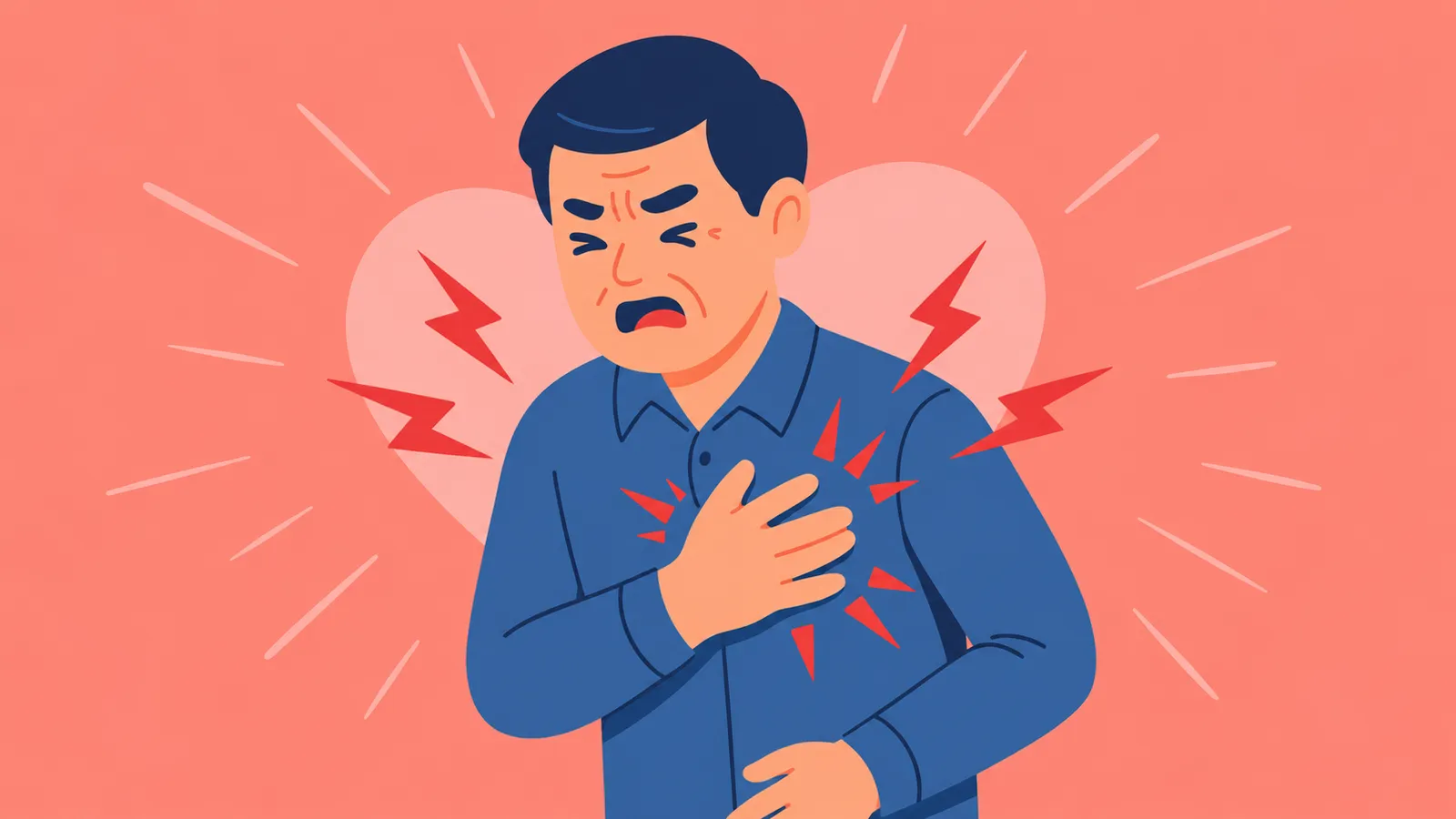
A heart attack (myocardial infarction) happens when blood flow to part of the heart muscle becomes blocked or severely reduced. Without enough oxygen-rich blood, the affected heart muscle can become damaged. A heart attack is a medical emergency, and getting prompt medical treatment can help limit heart-muscle damage. Understanding the causes and risk factors of heart attack can help you take steps to protect your cardiovascular health and recognize when medical attention is needed. For people looking for heart care in Chennai or Velachery, regular cardiovascular screening and timely consultation with a cardiologist can be particularly important if you have risk factors such as diabetes, high blood pressure, high cholesterol, smoking history or a family history of heart disease.
What Causes a Heart Attack?
The most common cause of a heart attack is a blockage in one of the coronary arteries that supply blood to the heart muscle. A buildup of fatty deposits, known as plaque, can narrow the arteries over time. If a plaque ruptures, a blood clot can form and significantly restrict blood flow to the heart. Several lifestyle factors and medical conditions can increase the risk of this happening.
Common Heart Attack Risk Factors
1. High Blood Pressure Long-term uncontrolled hypertension can damage the walls of blood vessels and increase the strain placed on the heart. Regular blood-pressure monitoring and appropriate treatment can help reduce cardiovascular risk. 2. High Cholesterol High levels of LDL cholesterol can contribute to plaque buildup inside the arteries. Over time, this can narrow the coronary arteries and increase the risk of heart disease and heart attack. A lipid profile can help assess cholesterol levels. 3. Diabetes Diabetes can affect blood vessels and increase the risk of cardiovascular disease. People with diabetes should work with their healthcare professionals to maintain appropriate blood glucose levels and manage other cardiovascular risk factors. 4. Smoking and Tobacco Use Smoking damages blood vessels and increases cardiovascular risk. Avoiding tobacco is one of the most important steps you can take to protect your heart. 5. Physical Inactivity A sedentary lifestyle can contribute to obesity, high blood pressure, diabetes and abnormal cholesterol levels all of which can increase cardiovascular risk. Regular physical activity appropriate for your health and fitness level can support cardiovascular health. 6. Unhealthy Diet A diet high in sodium, saturated fats, trans fats and highly processed foods can contribute to cardiovascular risk. A heart-healthy eating pattern should emphasize vegetables, fruits, whole grains, legumes, appropriate sources of protein and other nutrient-dense foods. 7. Chronic Stress Persistent psychological stress may contribute to unhealthy behaviours and can be associated with cardiovascular risk. Managing stress through healthy lifestyle habits and professional support when needed can be beneficial. 8. Inadequate Sleep Poor or insufficient sleep can be associated with cardiovascular risk and may also affect blood pressure, metabolism and overall health. Aim for a consistent sleep schedule and seek medical advice if you regularly experience significant sleep problems. 9. Family History Having close relatives with cardiovascular disease can increase your risk. If you have a strong family history of heart disease, discuss appropriate screening and preventive measures with a healthcare professional. 10. Age and Other Medical Conditions The risk of cardiovascular disease generally increases with age. Other conditions, including obesity, kidney disease and certain metabolic disorders, can also contribute to cardiovascular risk.
What Are the Warning Signs of a Heart Attack?
Recognizing heart attack symptoms is extremely important because early treatment can be critical. Common warning signs can include:
- Pressure, squeezing, heaviness or discomfort in the chest
- Pain or discomfort that may spread to the arm, shoulder, back, neck or jaw
- Shortness of breath
- Cold sweating
- Nausea or vomiting
- Unusual weakness or fatigue
- Dizziness or light-headedness
Symptoms can vary between individuals. Some people, particularly women, older adults and people with diabetes, may experience less typical symptoms. When should you seek emergency medical help? If you or someone around you develops symptoms that could indicate a heart attack, seek emergency medical care immediately rather than waiting for the symptoms to disappear. Do not attempt to diagnose a heart attack yourself.
How Can You Reduce Your Risk of a Heart Attack?
You cannot eliminate every cardiovascular risk factor, but many important risks can be addressed through lifestyle changes and appropriate medical care.
1. Get Regular Heart Health Check-ups
Regular monitoring can help identify risk factors before they become more serious. Depending on your age, medical history and risk profile, your doctor may recommend monitoring:
- Blood pressure
- Blood glucose
- Cholesterol and lipid profile
- Body weight and BMI
- Other cardiovascular risk factors
If you have existing medical conditions, follow your doctor's recommended monitoring and treatment plan.
2. Eat a Heart-Healthy Diet
Focus on a balanced diet containing:
- Vegetables and fruits
- Whole grains
- Pulses and legumes
- Appropriate protein sources
- Healthy fats in suitable amounts
Limit excessive:
- Salt
- Saturated fats
- Trans fats
- Highly processed foods
- Added sugars
If you have diabetes, high cholesterol or hypertension, your dietary requirements may be different. Consider getting individualized advice from a qualified healthcare professional or dietitian.
3. Stay Physically Active
Regular physical activity can support cardiovascular fitness and help manage body weight, blood pressure, blood sugar and cholesterol. The appropriate amount and intensity of exercise depend on your age, health status and existing medical conditions. If you already have heart disease or symptoms such as chest pain or unusual breathlessness, speak with your doctor before beginning a new exercise programme.
4. Stop Smoking and Avoid Tobacco
There is no safe level of tobacco exposure for cardiovascular health. Quitting smoking can substantially reduce cardiovascular risk over time. If you need help quitting, speak with a healthcare professional about appropriate cessation support.
5. Manage Diabetes, Blood Pressure and Cholesterol
Don't ignore conditions such as:
- Diabetes
- High blood pressure
- High cholesterol
These conditions can often be managed effectively with lifestyle changes, regular monitoring and medications when prescribed. Do not stop or change prescribed medication without consulting your doctor.
6. Maintain a Healthy Weight
Excess body weight can increase the risk of conditions associated with cardiovascular disease, including hypertension, diabetes and abnormal cholesterol. A sustainable approach combining appropriate nutrition, physical activity and medical guidance is generally preferable to extreme diets.
Who Should Consider a Heart Health Check?
A cardiovascular evaluation may be appropriate if you have:
- A family history of heart disease
- Diabetes
- High blood pressure
- High cholesterol
- Obesity
- Smoking history
- Previous heart disease
- Reduced physical activity
- Recurrent chest discomfort or breathlessness
Your doctor can determine which tests or evaluations are appropriate based on your individual risk factors.
Heart Care and Cardiology Services in Velachery, Chennai
If you are looking for cardiology or heart care in Velachery, Chennai, choosing a hospital with access to appropriate diagnostic and specialist care can help you receive timely evaluation. OLIR Super Speciality Hospital, Velachery, Chennai provides specialist healthcare services, and patients with cardiovascular concerns can consult the appropriate medical team for evaluation and further management. For symptoms that may indicate a heart attack, do not rely on an online article or wait for a routine appointment - seek emergency medical care immediately.
Conclusion
A heart attack can be a life-threatening medical emergency, but understanding the risk factors, warning signs and preventive measures can help you take action early and protect your cardiovascular health. Managing conditions such as high blood pressure, diabetes and high cholesterol, maintaining a healthy lifestyle, avoiding tobacco and attending regular heart health check-ups can help reduce cardiovascular risk. If you are looking for cardiology care or heart health services in Velachery, Chennai, timely consultation with a qualified cardiologist can help identify risk factors and guide appropriate evaluation and treatment at OLIR Super Speciality Hospital. Want to learn more about heart health? Watch our related Instagram Reel from OLIR Super Speciality Hospital for quick, practical information about heart attack awareness, prevention and warning signs. Heart Health
Consult Our Specialists
Dr. Ashok Victor
MBBS, MD (General Medicine), DM (Cardiology)
Senior Cardiologist in Chennai
OLIR Super Speciality Hospital, Chennai
Dr. R. Sivakumar
MBBS, MD (General Medicine), DNB (Cardiology), FNB (Interventional Cardiology)
Senior Cardiologist in Chennai
OLIR Super Speciality Hospital, Chennai
Frequently Asked Questions
Find answers to common questions about our services, treatments, appointments, and patient care options to help you make informed health decisions.
The most common cause is a blockage in a coronary artery, often associated with the buildup of plaque and formation of a blood clot.
Chest pressure or discomfort, shortness of breath, sweating, nausea, dizziness and discomfort that may spread to the arm, shoulder, back, neck or jaw are possible symptoms.
Not every heart attack can be prevented, but controlling risk factors such as smoking, high blood pressure, diabetes, high cholesterol, physical inactivity and unhealthy diet can reduce cardiovascular risk.
Yes. High levels of LDL cholesterol can contribute to plaque buildup in the coronary arteries and increase cardiovascular risk.
Yes. Diabetes is an important cardiovascular risk factor and should be appropriately managed with medical guidance.
Consider discussing your cardiovascular risk with a doctor if you have risk factors such as diabetes, hypertension, high cholesterol, a strong family history of heart disease, previous heart disease or concerning symptoms.
Treat it as a medical emergency and seek emergency medical assistance immediately. Do not wait for symptoms to resolve on their own.
Related Articles

Top 5 Cardiology Treatments at Chennai's Best Super Speciality Hospitals in 2026
Chennai has earned a strong reputation as a medical capital of India, especially in cardiac sciences...
Can Heart Attacks Happen Before 50? Understanding Cardiac Risks in Younger Adults
A heart attack is often associated with older adults, but heart attacks can also occur in people und...

Best Neurology Hospitals in Chennai: Stroke Care and Neurosurgery Guide
Chennai has emerged as one of India’s most trusted destinations for neurological care. A leading neu...
Need Expert Medical Care in Velachery?
Book Your Appointment with Our Specialists Today
Get expert consultation, accurate diagnosis, and the right treatment, all under one roof at OLIR Super Speciality Hospital.
Book Appointment